Water Damage Restoration Flowery Branch, GA
24/7 water damage restoration in Flowery Branch, GA. The extraction crew pulls standing water, the drying team dries the structure to the IICRC S500 standard, and every reading is logged for the insurance claim.
(888) 532-4616Lower level taking water? Get extraction started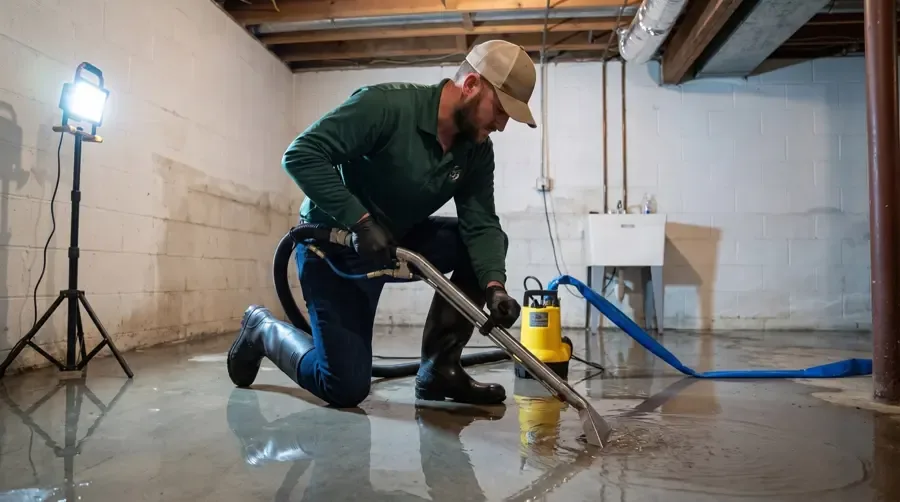
What to do in the first hour while water is moving
- 1
Close the main
The main shutoff usually sits in the crawl space or basement near the front spigot, or by the water heater in a slab home.
- 2
Cut power to wet rooms
Flip the breakers for wet rooms only if the panel stands on dry floor, and stay out of water near outlets.
- 3
Photograph before moving
Shoot the source, the wet floor and the ceiling stains first; the claim file starts with those pictures.
- 4
Lift, then call
Get rugs, boxes and electronics up off the floor, then call. Mold can start inside 24 to 48 hours.
Water Damage Restoration Services in Flowery Branch, GA
Twelve water services, from the first extraction pass to the last moisture reading, sized to Piedmont clay lots, walkout basements, crawl spaces and attic air handlers.
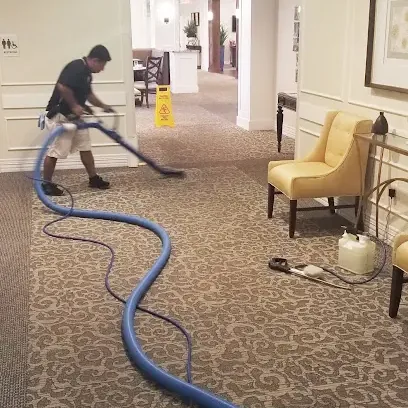 Emergency Water ExtractionTruck-mounted pumps pull standing water before it wicks into pad, drywall and the bottom plate.How it is handled
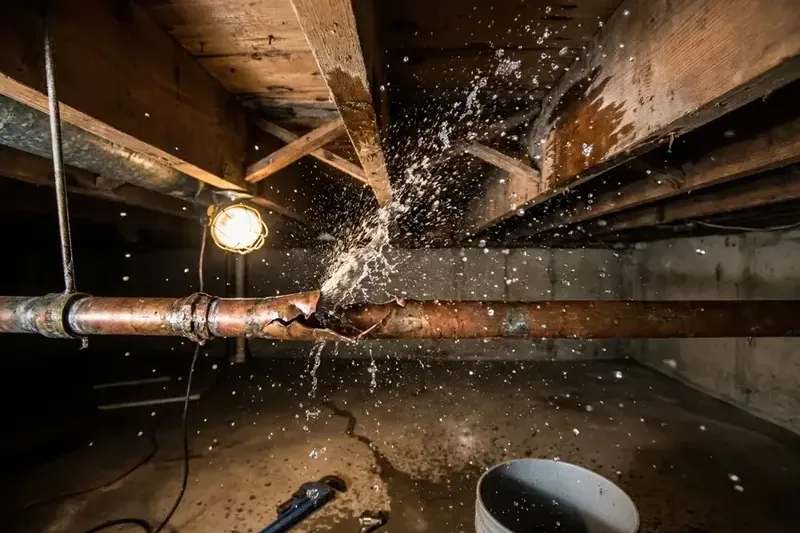 Burst Pipe Water DamageMain shut, water pulled and every wall cavity the spray reached opened and dried.How it is handled
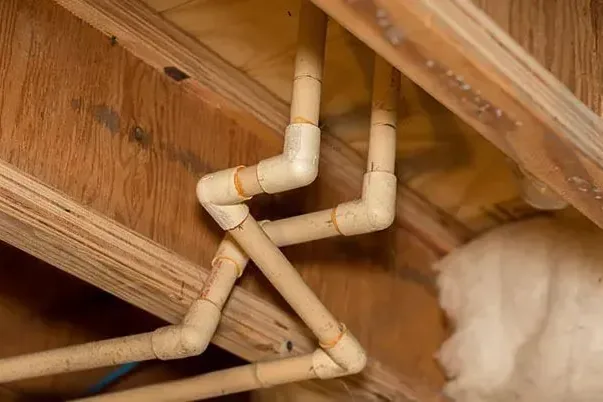 Frozen Pipe Water DamageCrawl space and garage pipes that freeze in a January ice storm, dried once they thaw.How it is handled
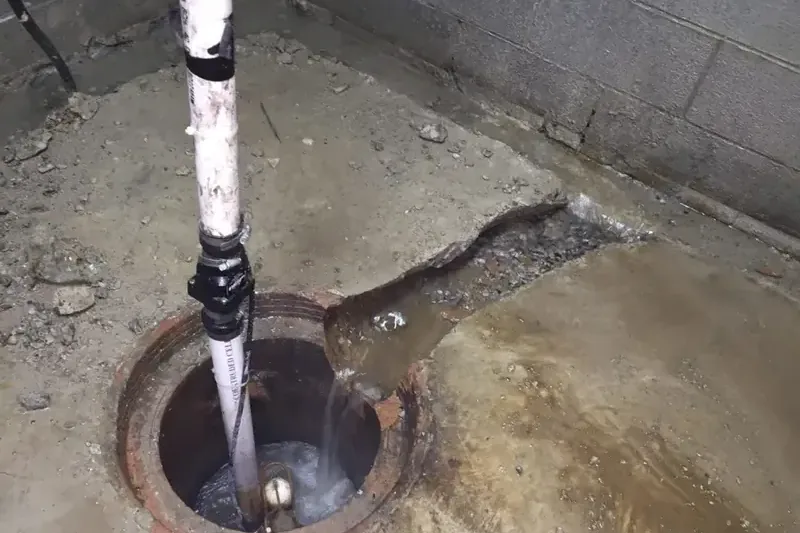 Basement Flooding CleanupWalkout and daylight basements on sloped clay lots, pumped out and dried behind the finish.How it is handled
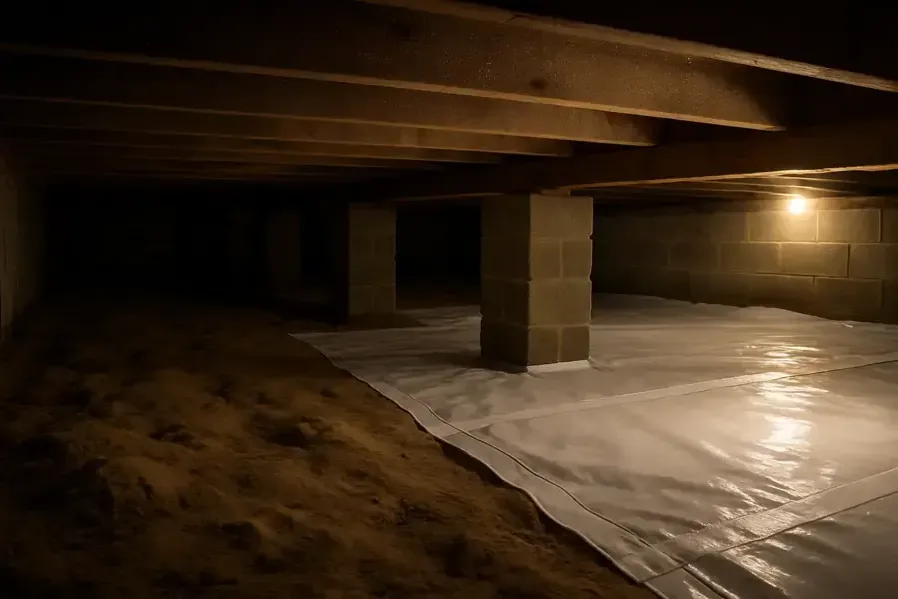 Crawl Space Water RemovalWater pooled on the vapor barrier, pumped out and the joists dried to a reading.How it is handled
 Storm and Flash Flood CleanupCloudburst runoff and tropical storm water handled as contaminated from the start.How it is handled
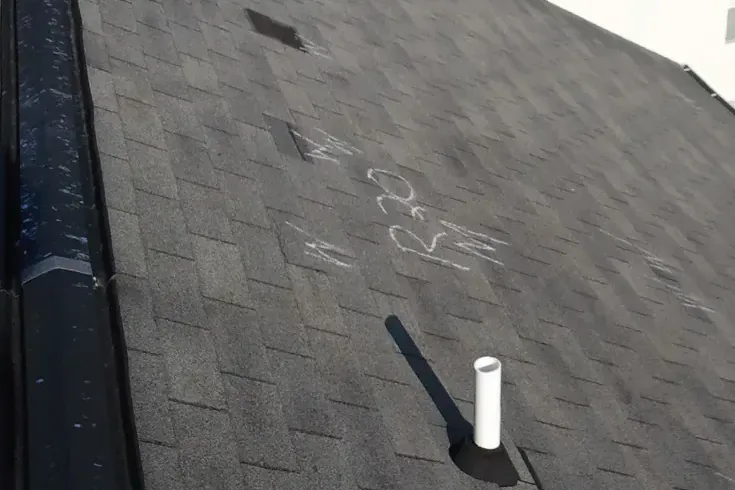 Roof Leak Water DamageWind, hail and fallen-limb breaches, with wet attic insulation pulled and ceilings dried.How it is handled
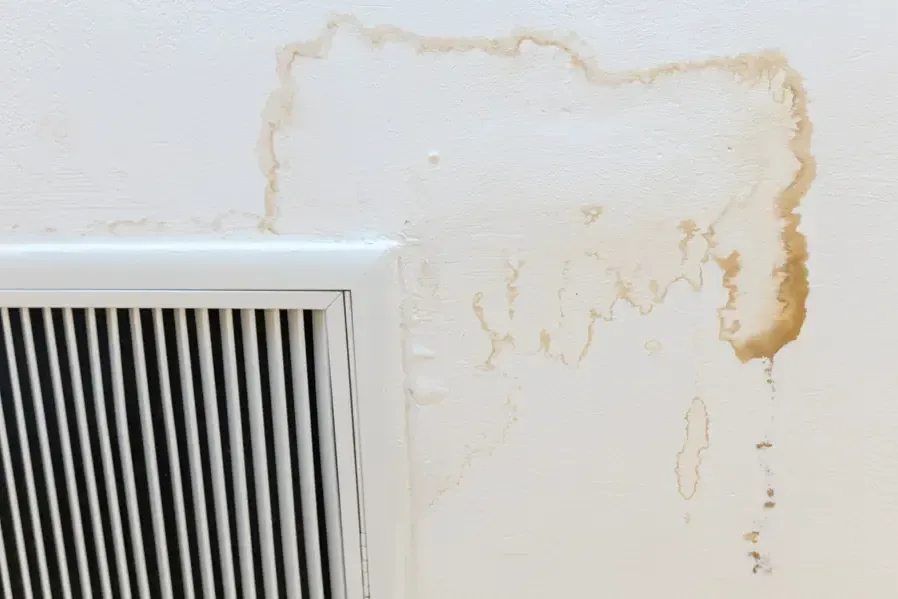 AC Drain Leak Water DamageClogged condensate drains and overflowing attic pans that stain and sag the ceiling below.How it is handled
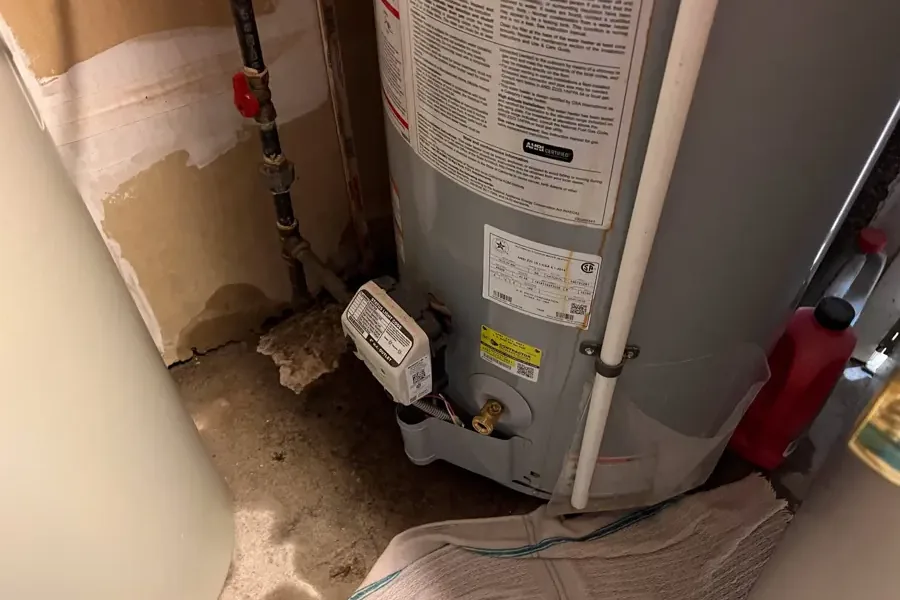 Water Heater Leak CleanupGarage, closet and attic tank failures extracted before cabinets and drywall soak through.How it is handled
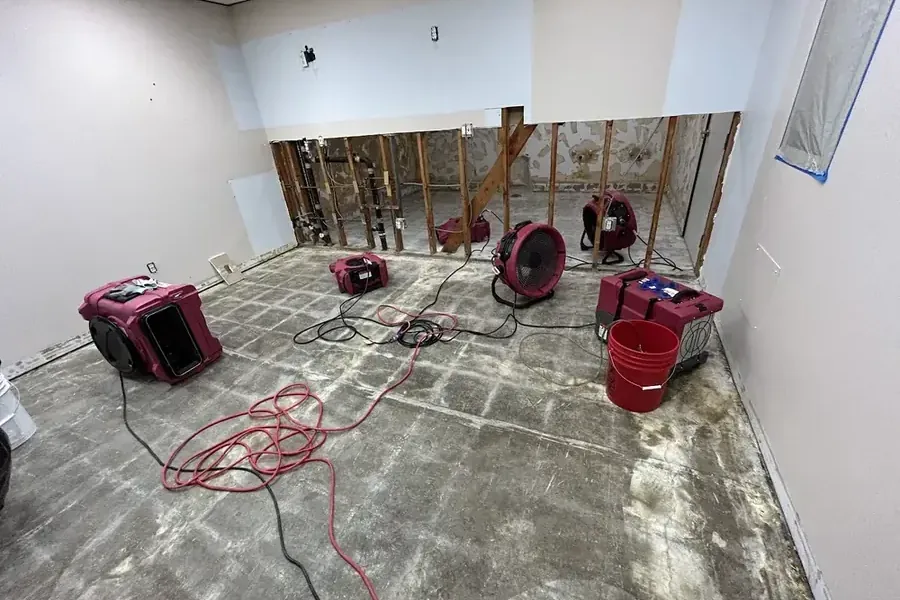 Slab Leak Water DamagePressure leaks under slab floors traced, flooring lifted and the concrete dried.How it is handled
 Sewage Backup CleanupFloor drain and toilet backups contained, cleaned and treated as Category 3.How it is handled
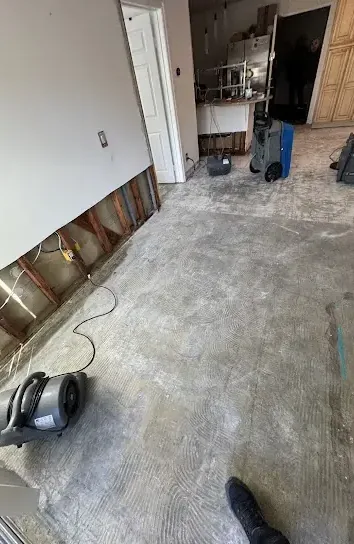 Structural Drying and DehumidificationFraming, subfloor and concrete dried within 2 to 4 points of a dry reference.How it is handled
Water damage dried to the IICRC S500 standard
- 1
Map the moisture
The tech on the walkthrough finds the source, then maps moisture with thermal imaging and pinless meters before any equipment goes down.
- 2
Extract
The extraction crew pulls standing water with truck-mounted units, so the water leaves the building instead of spreading.
- 3
Set the drying plan
Air movers go in at each room's evaporation load, with LGR dehumidifiers, or desiccants for Class 4 materials, pulling moisture out.
- 4
Verify dry
Readings are logged daily, and equipment comes out once wet materials sit within 2 to 4 points of a dry reference.
IICRC S500 is the industry drying standard. Class 1 through 4 sets how much equipment a room needs, and the equipment stays until readings say dry. A contained Class 1 loss usually dries in three to five days.
What separates a finished dry-out from a cosmetic one
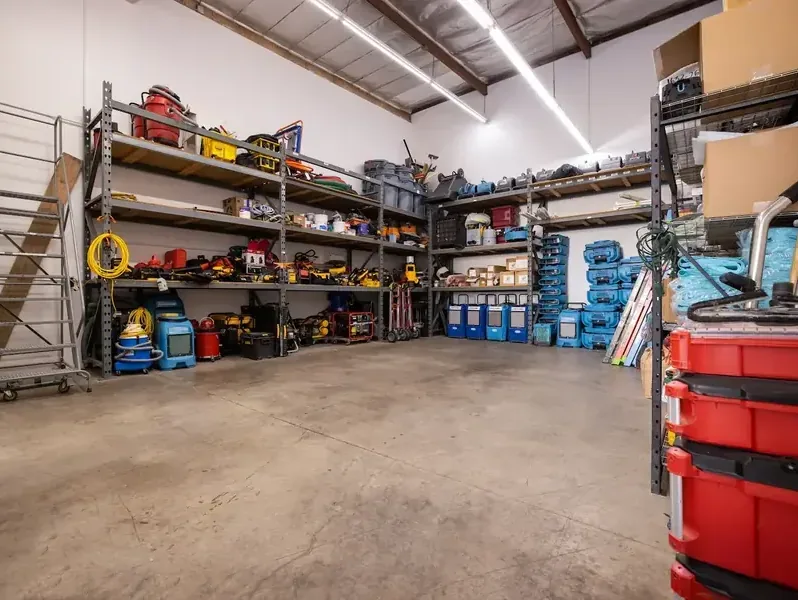
The order of the work decides the result. The drying plan follows what the meters say is wet in the house, not what looks wet from the doorway.
Dispatch at any hour
Active water is treated as urgent around the clock, holidays included, because drywall and pad keep wicking until extraction starts.
Dried to the S500 goal
The drying team sizes air movers and LGR dehumidifiers to the class of loss and pulls them only when readings say dry.
A file the adjuster can read
Moisture maps, daily psychrometric logs and timestamped photos are taken before any demolition starts.
Lake country houses
Clay lots, walkout basements, crawl spaces and attic air handlers shape where water travels in homes around the lake.
What does water damage restoration cost in Flowery Branch, GA?
Most water damage restoration jobs here run about $1,300 to $18,000 or more. The water category, the square footage that got wet, the material class and how fast drying started move the number the most.
| Size of the loss | Typical range | What it usually covers |
|---|---|---|
| One room, clean water | $1,300 to $3,500 | Category 1 water, Under 200 sq ft, Drying started on day one |
| Lower level or several rooms | $3,500 to $8,000 | Flood cuts in drywall, Pad and trim removed, More air movers and LGR units |
| Storm water, sewage or a whole floor | $8,000 to $18,000+ | Category 3 water, Containment and antimicrobial, Porous materials removed |
These are typical ranges, not a quote. For a closer planning figure, run the water damage cost calculator; the final scope is set on site after the moisture map.
Documentation for your insurance claim
A water claim is decided on the file, not on the first phone call. A complete file from the drying team carries these items:
- the moisture map drawn on day one
- daily psychrometric logs and moisture readings
- timestamped photos taken before any demolition
- the category and class of the loss
- a line-item scope in the format adjusters expect
Sudden leak or flood?
A sudden and accidental discharge, such as a split supply pipe or a failed water heater, is usually treated differently from rising surface water, which falls under flood coverage.
Coverage depends on your policy, so it is worth checking with your own insurer before the scope is signed.
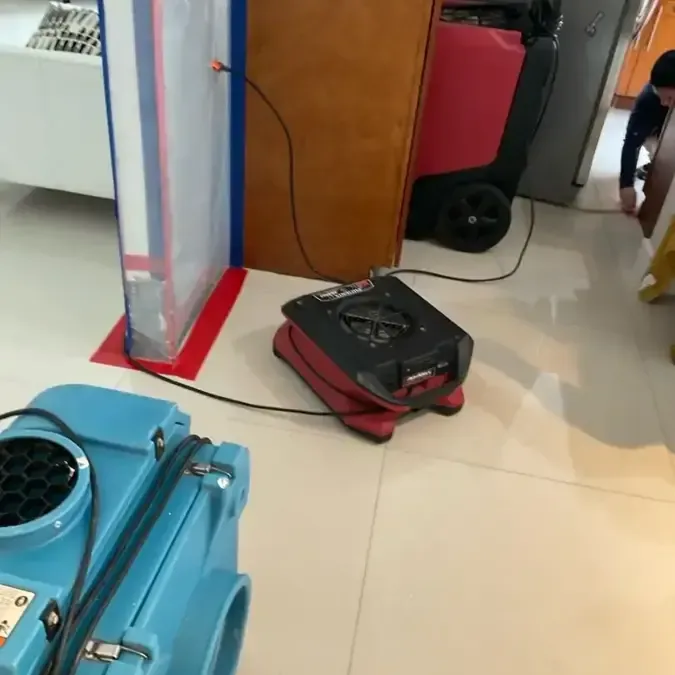
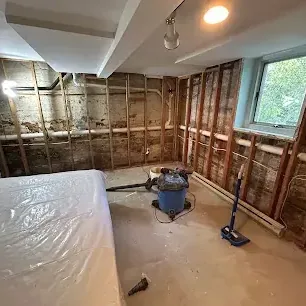
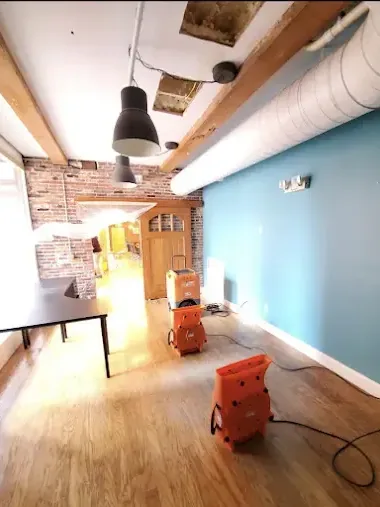
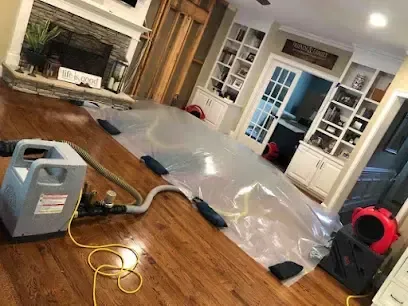
What a structural dry-out looks like inside a wet house
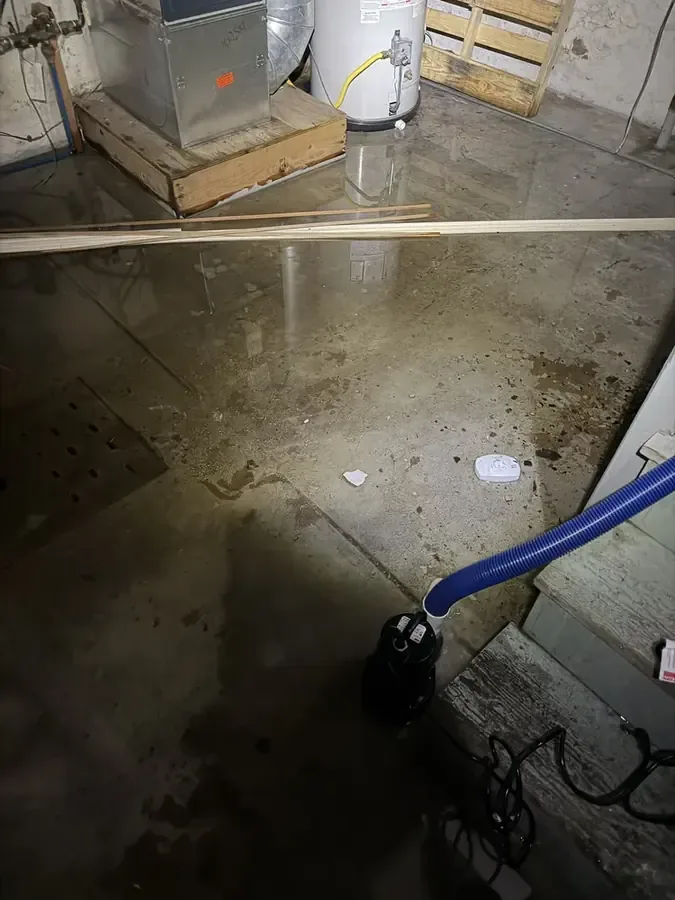
All three water damage categories handled around the lake
Category 1, clean water
A split supply pipe, a water heater or an ice maker hose. The extraction crew pulls it fast and dries in place before it degrades.
Burst pipe water damageCategory 2, gray water
Washer or dishwasher discharge and many overflowing condensate pans. Soaked pad usually comes out; hard surfaces are cleaned and dried.
AC drain leak water damageCategory 3, black water
Sewage, creek water and storm runoff. Porous materials it touched are removed behind containment, not dried.
Sewage backup cleanupFlowery Branch and the south Hall County towns around it
Neighborhoods and corridors
Nearby communities
One call puts a south Hall water crew on the road
Coverage takes in the whole city and the towns around the south end of the lake, from the depot downtown to Chestnut Mountain, Oakwood and Buford.
Give the cross street and which level of the house is wet, and dispatch knows how much equipment goes on the truck.
ZIP 30542, Hall County · [email protected]
Open every day, holidays included
Give the cross street, get a crew rolling Find us on Google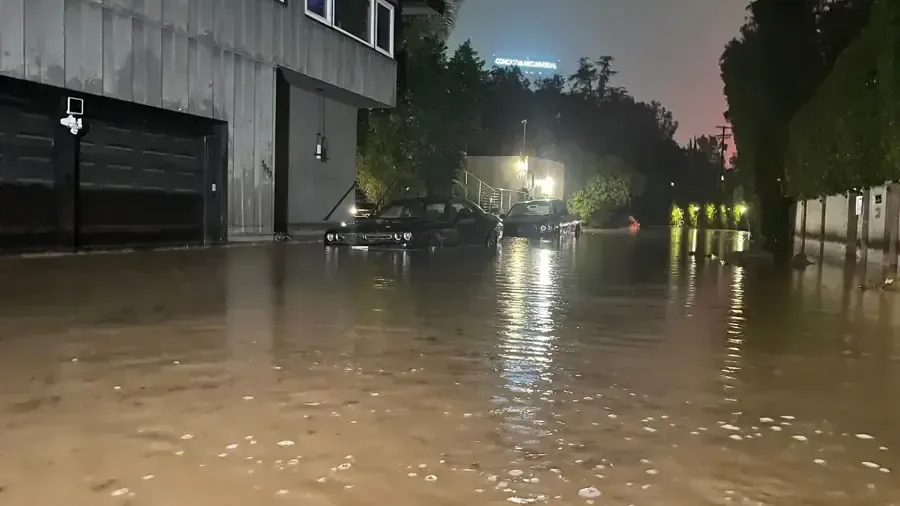
Water damage in Flowery Branch, GA: the local risk profile
The city sits on the Lake Lanier shore in the upper Piedmont, where clay soil, sloped lots and summer cloudbursts decide how water reaches a house. Most homes here went up after 2000.
July 24, 2026: Storms dropped more than three inches of rain in parts of Hall County, and a section of Falcon Crest Drive washed away.
- Summer cloudbursts. Fast runoff from a three-inch storm crosses sloped lots, overruns gutters and finds the door of a walkout basement or the vents of a crawl space.
- Tropical storm remnants. Hurricane Helene hit Georgia in late September 2024, and storms like it bring hours of wind-driven rain and fallen limbs through roofs.
- January ice storms. Winter storms on January 10 and January 21, 2025 hit north Georgia; pipes in crawl spaces, garages and exterior walls freeze and split.
- Post-2000 houses. Newer homes put air handlers in the attic and water heaters in garages and closets, so a clogged condensate drain or a failed tank soaks the floor or ceiling below.
- Piedmont clay. Clay soil drains slowly and holds water against foundations after long rain, pushing it into crawl spaces and through basement walls.
Flowery Branch water damage questions, answered
How fast can a restoration crew start on an active water loss?
Dispatch runs 24/7 across the city and the south Hall County towns around it, and active water is treated as urgent at any hour. The clock that matters is extraction, because drywall, pad and subfloor keep wicking water for as long as it sits.
Is water damage covered by homeowners insurance in Georgia?
A sudden and accidental discharge, such as a split supply pipe or a failed water heater, is often covered after the deductible. Rising surface water from a storm falls under flood coverage, and sewer backup usually needs its own endorsement. Coverage depends on your policy, so check with your own insurer.
What causes most water damage in homes around the lake?
Summer cloudbursts that push runoff into walkout basements and crawl spaces, ice storms that freeze pipes under the floor, clogged attic AC condensate drains, failed water heaters in garages and closets, and sewer backups through floor drains.
How long does it take to dry a wet house?
A contained Class 1 loss, one room with low-porosity materials, usually dries in three to five days. Hardwood, concrete and crawl spaces take longer, and humid summer air slows drying. Equipment comes out when readings reach the drying goal, not on a set date.
What is the IICRC S500 standard?
IICRC S500 is the industry standard for professional water damage restoration. It sets how water is categorized, how the class of a room decides the equipment, and how the drying team proves the structure is dry: wet materials within 2 to 4 points of a dry reference.
What should be done right away when water is spreading?
Close the main shutoff, cut power to wet rooms only if the panel is on dry floor, stay out of water near outlets, photograph everything before moving it, lift rugs and valuables, then call. Mold can start inside 24 to 48 hours.
When does wet drywall have to come out?
Drywall wet with clean water can often be dried in place with air movers and small access holes. Drywall touched by Category 3 water, such as sewage or storm runoff, is cut out above the waterline, because porous materials touched by that water are removed, not dried.
Why is sewage backup handled differently?
Sewage is Category 3 water from the moment it backs up. The mitigation team sets containment, wears protective gear, runs HEPA air scrubbers, removes porous materials it touched and applies an EPA-registered antimicrobial at the label dwell time before drying starts.
How is the cost of a water damage job figured?
The main drivers are the water category, the square footage that got wet, the material class and how fast drying started. The scope is written line by line in the format adjusters use, so it can be checked against the moisture map.
Does water under a raised floor need professional drying?
Usually, yes. Water that pools on a crawl space vapor barrier keeps the joists and subfloor damp and raises humidity in the rooms above. The crew pumps it out, pulls soaked insulation and dries the framing to a reading.
Water in a lake country home? Get the dry-out underway now.
Standing water keeps wicking into drywall, trim and subfloor for as long as it sits.