Water Damage Restoration in Suwanee, GA
When a pipe splits, a heater fails or creek water reaches a floor, the restoration team pulls out the water, dries the structure and documents the damage for the claim.
(888) 532-4616Report water in your home now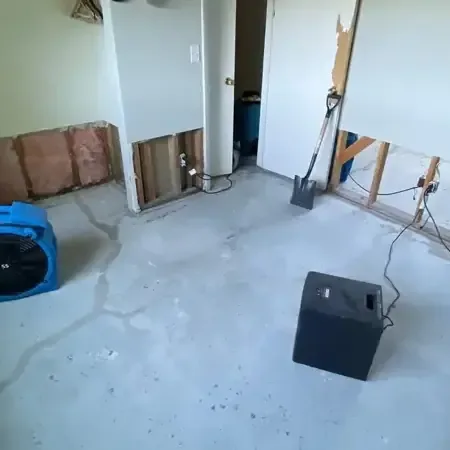
What to do while the water is still spreading
- 1
Stop the source
Close the main shutoff valve if a pipe has burst, or stay out of rooms with sewage or moving floodwater.
- 2
Cut power to wet rooms
Switch off the breakers that serve soaked areas and keep out of any room with water around outlets.
- 3
Photograph everything
Take wide and close photos of the high water mark, damaged contents and the source before anything is moved.
- 4
Call the restoration team
Call now, any hour, so extraction can begin and wet materials are caught before mold can set in.
Pick the problem that matches your home
Water gets into a home through the roof, the drain, the supply pipe or the ground, and the restoration team matches the method to the source.
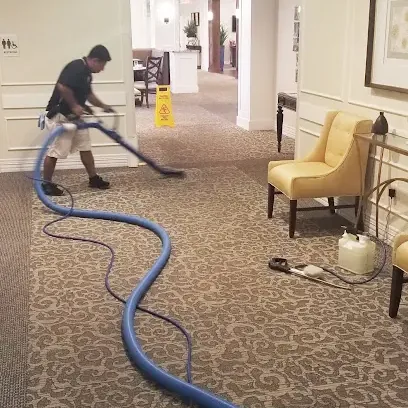 Emergency Water ExtractionPumps and wet vacuums lift standing water off floors before it soaks into framing.How it is handled
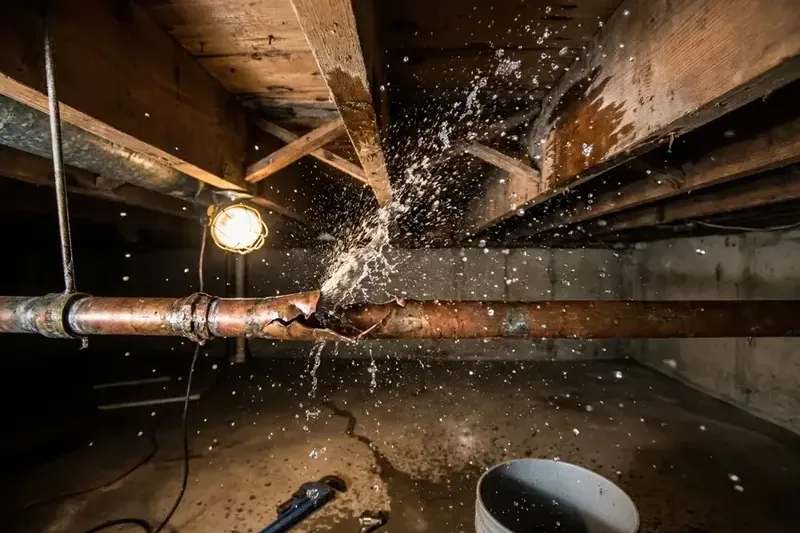 Burst Pipe Water DamageA split supply pipe soaks walls and ceilings quickly, so the shutoff valve comes first.How it is handled
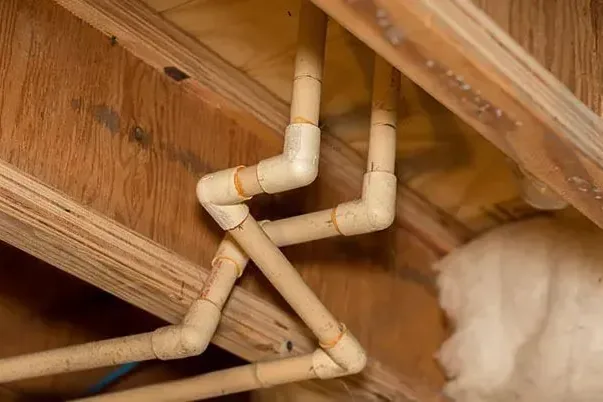 Frozen Pipe Water DamageCold snaps split pipes in garages, attics and exterior walls, and the thaw reveals it.How it is handled
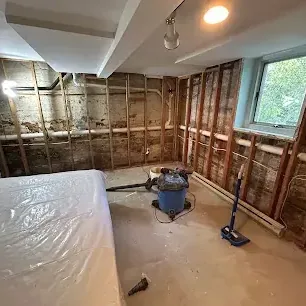
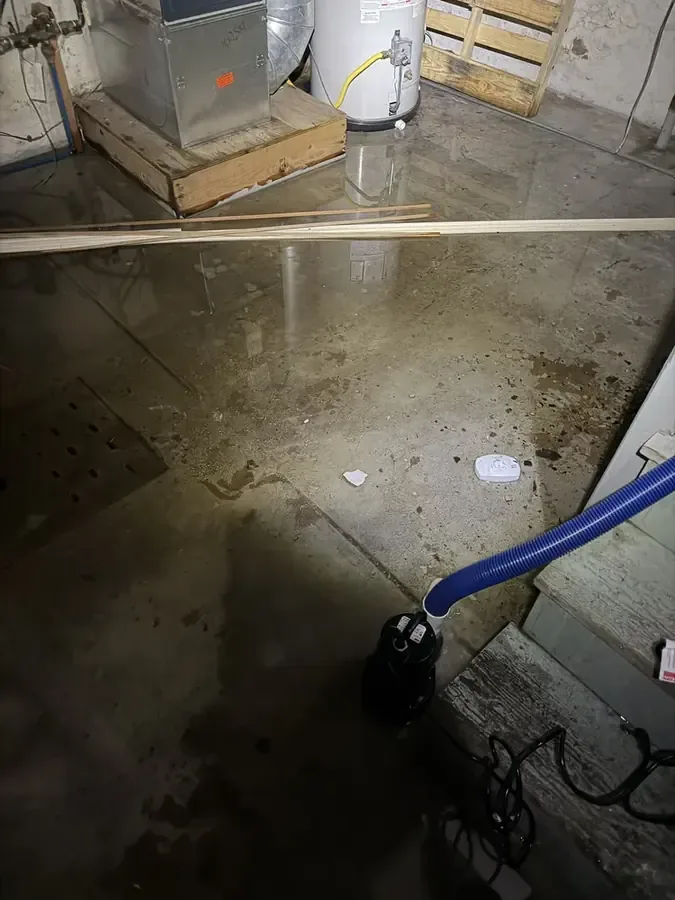
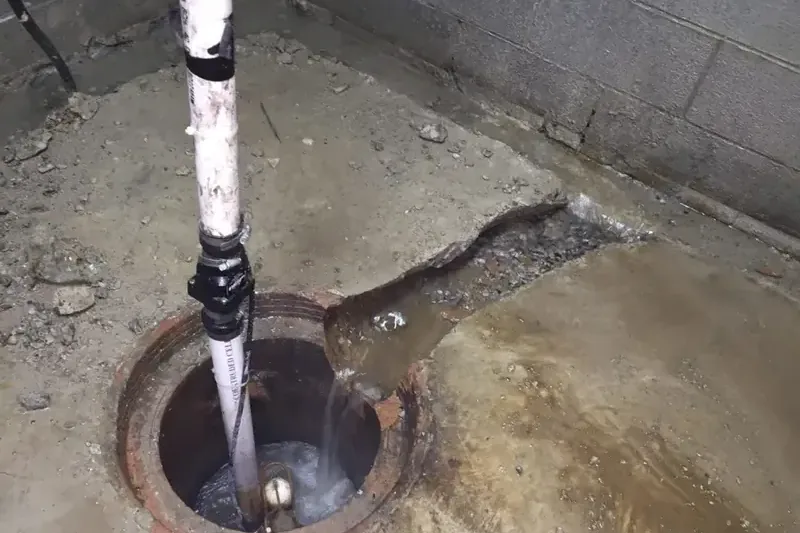 Basement Flooding CleanupWater in a lower level is pumped out, then wet drywall and flooring are removed.How it is handled
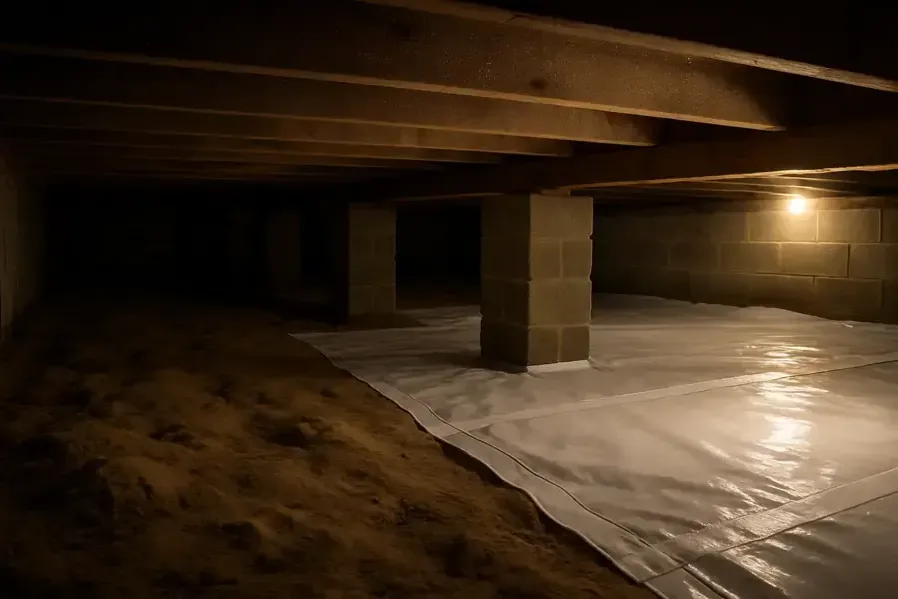 Crawl Space Water RemovalWater under a raised floor is pumped out and wet insulation is pulled.How it is handled
 Storm and Flash Flood CleanupHeavy rain and creek overflow can leave mud and water inside, and the cleanout follows.How it is handled
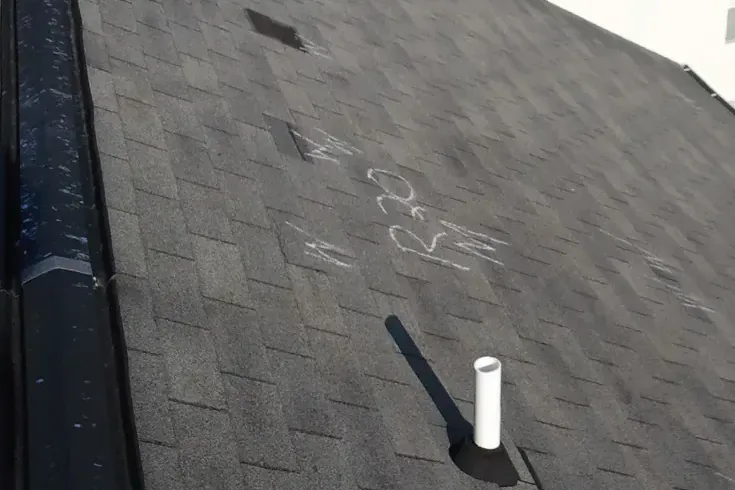 Roof Leak Water DamageWind driven rain through a damaged roof wets the attic insulation and the ceiling below.How it is handled
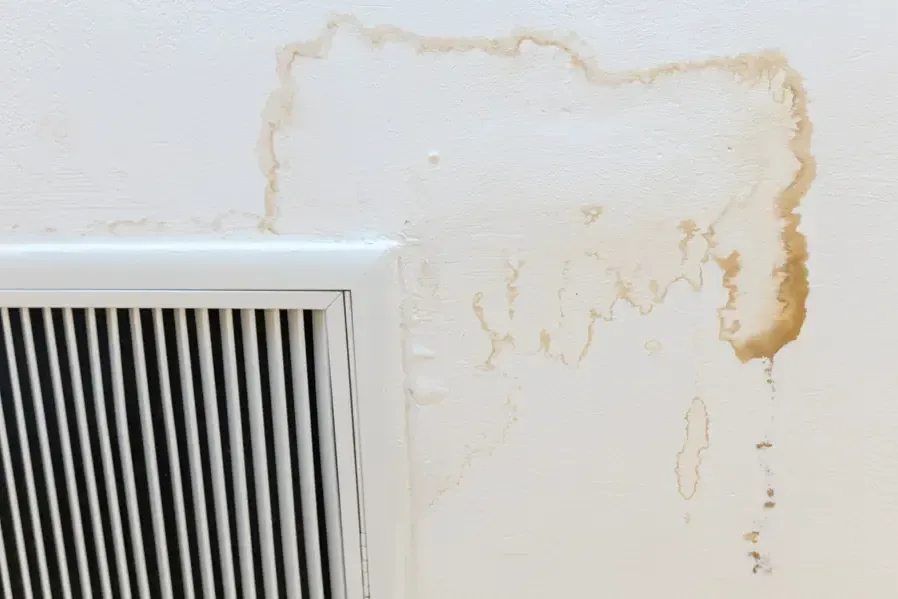 AC Drain Leak Water DamageA clogged condensate drain overflows into ceilings, closets and floors, often unnoticed for days.How it is handled
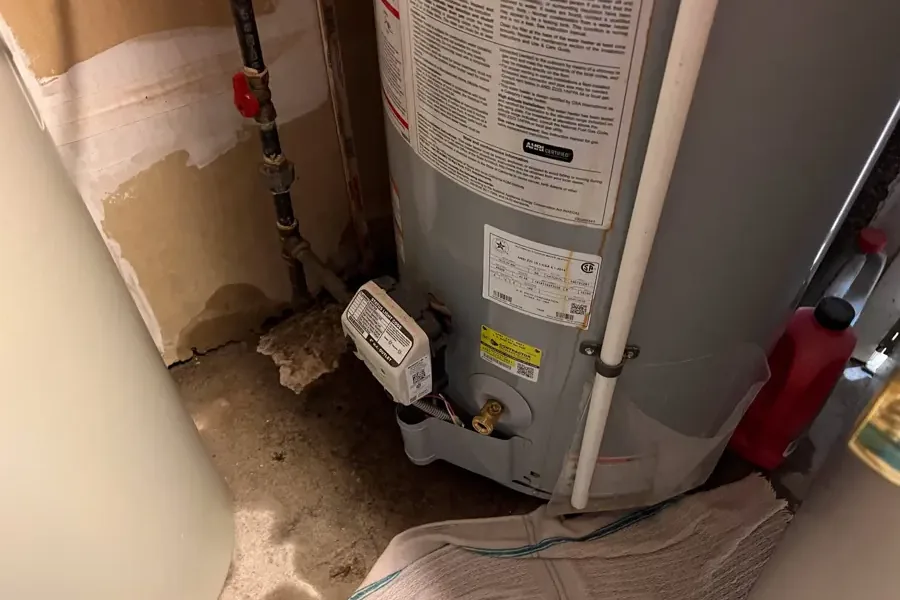 Water Heater Leak CleanupA failed tank floods a closet or garage floor and the water spreads outward.How it is handled
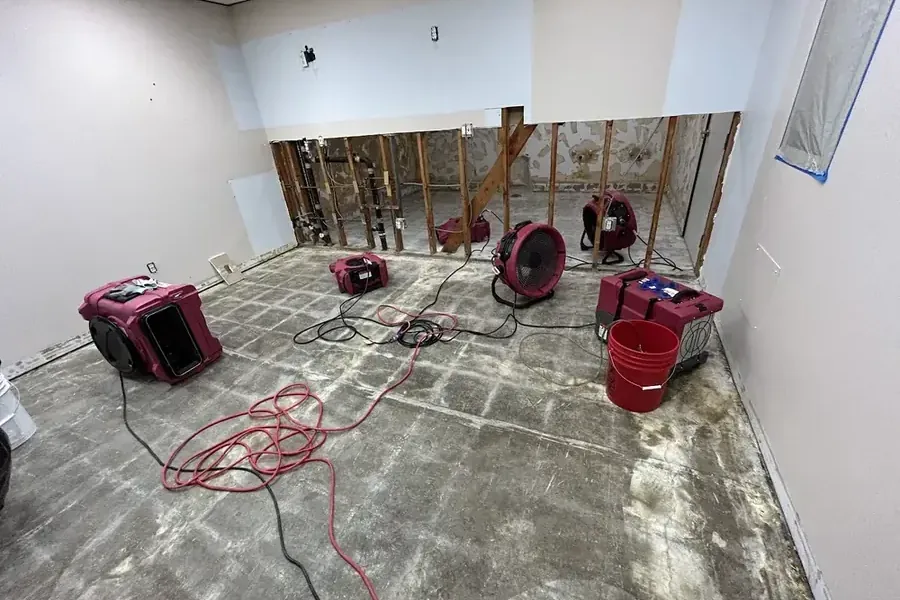 Slab Leak Water DamageA pipe leaking under concrete stays hidden until damp flooring or warm spots show up.How it is handled
 Sewage Backup CleanupSewage in a drain or floor is cleaned, disinfected and dried with protective gear.How it is handled
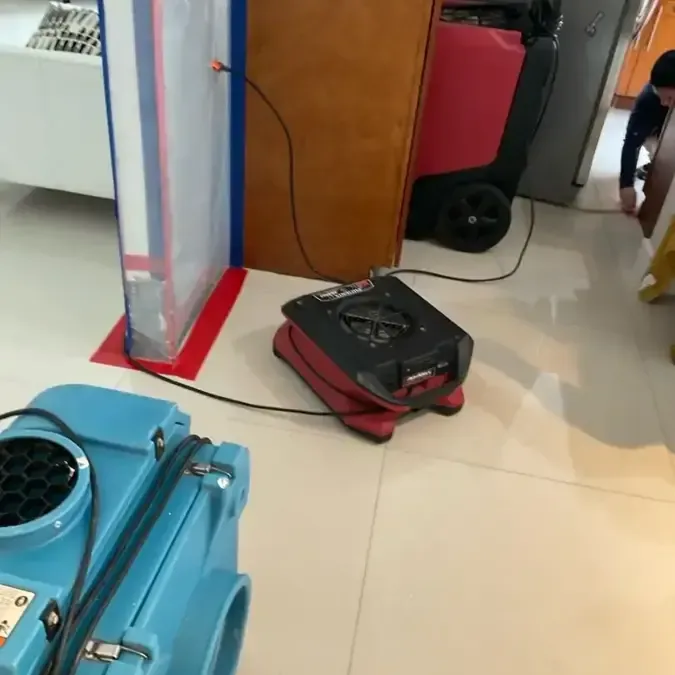
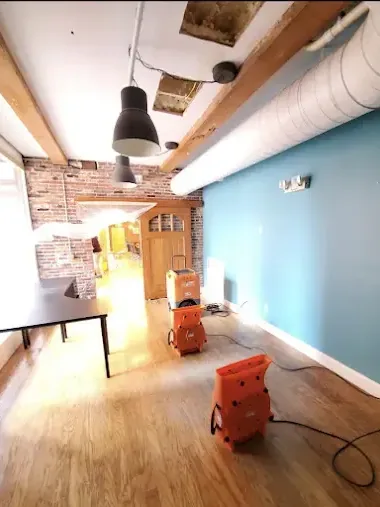
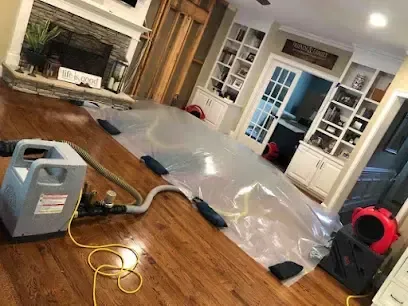
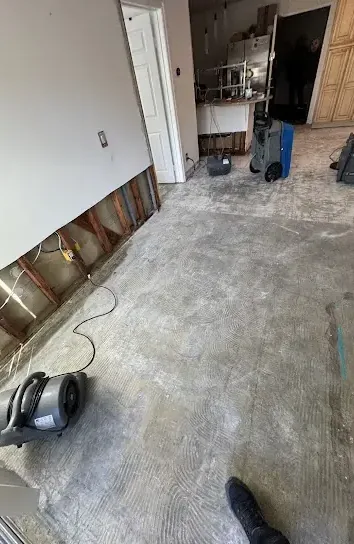 Structural Drying and DehumidificationDehumidifiers and air movers pull moisture from framing and subfloors until readings are normal.How it is handled
Dry means measured, not guessed
- 1
Find the water
A moisture meter and a thermal camera trace wet areas past what the eye can see, including inside walls.
- 2
Remove the water
Extraction units take out standing water first, because every gallon left behind has to be dried out of the structure later.
- 3
Dry the structure
Air movers push dry air across surfaces while dehumidifiers pull moisture from the room, and soaked pads or drywall that cannot be saved are cut out.
- 4
Confirm and document
Final readings and photos go into the file, so the adjuster sees the proof that each material reached its dry target.
The drying team sets a target from readings taken in unaffected rooms. Wet materials are checked at each visit, and equipment keeps running until framing, subfloors and drywall match that target instead of just feeling dry.
Water damage work done in a set order
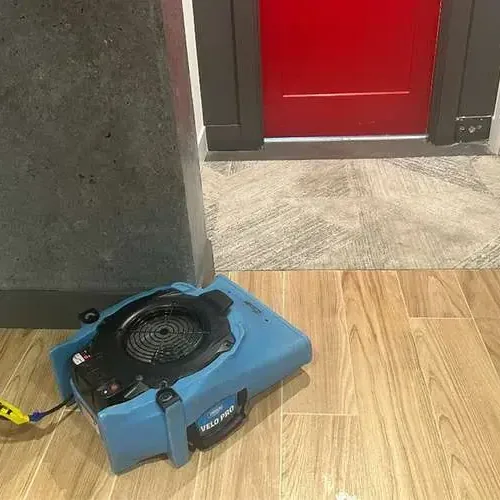
From the first meter reading to the last photo, the response team follows one sequence so nothing wet is left behind a wall or under a floor.
Equipment on site
Pumps, extraction units, air movers and dehumidifiers are matched to the size of the job instead of one standard kit.
Focused on water
The work stays on water and sewage losses, so the equipment, training and procedures all target that one type of damage.
Records for the claim
Moisture logs, dated photos and equipment notes give the insurance adjuster a clear record of what was wet and when it dried.
Help at any hour
Water keeps spreading overnight and on weekends, so emergency help is offered at any hour instead of waiting for the next business day.
How much does water damage cleanup cost?
Most jobs land between $1,300 and $18,000+, and the final number depends on how long the water sat, which wet materials it touched and whether it was clean, gray or sewage.
| Size of the loss | Typical range | What it usually covers |
|---|---|---|
| One room or a small spill | $1,300 to $3,500 | Water extraction, Fans and a dehumidifier, Moisture readings and notes |
| Several wet rooms or a ceiling | $3,500 to $8,000 | Wet drywall cut out, Days of structural drying, Photo record for the claim |
| Lower level or sewage water | $8,000 to $18,000+ | Full cleanout and disinfecting, Flooring and drywall removal, Extended drying and checks |
Ranges are typical starting points. A walkthrough with moisture readings sets the actual scope, and the insurance adjuster has the final say on what the policy pays.
Getting the paperwork in order
A water damage claim moves faster when the loss is documented from the start, and the restoration team records each step as it happens.
- Photos of the source and every wet room
- Damaged contents listed by room
- Moisture readings taken each visit
- The date and time the water was found
- Receipts for any emergency repair work
Before the adjuster visits
Keep damaged items until the adjuster has seen them or approved their disposal, and save receipts for anything replaced or repaired.
Read the policy for water backup and flood language, since sewer backup and rising creek water are often treated differently from a burst pipe.
Equipment used on water damage jobs
Three kinds of water loss that need quick action
Burst and frozen pipes
A split pipe can soak several rooms before it is noticed, so closing the main valve limits the damage.
See pipe damage helpSlow AC drain leaks
A condensate drain that clogs can overflow quietly into a ceiling or closet, and the stain may be the first sign.
See AC drain helpSewage in the home
Contaminated water needs protective gear and full disinfecting, and porous materials it touched usually cannot be saved.
See sewage cleanupWater damage response across Suwanee
Local landmarks
Nearby towns
Help beyond the city limits
Homes with a Suwanee mailing address in unincorporated Gwinnett or Forsyth County, outside the city limits, can call for the same help.
The Chattahoochee River forms the western edge of town, and calling early matters most when creek or river water has reached a yard or lower floor.
Suwanee, GA · [email protected]
Open every day, holidays included
Check coverage for your street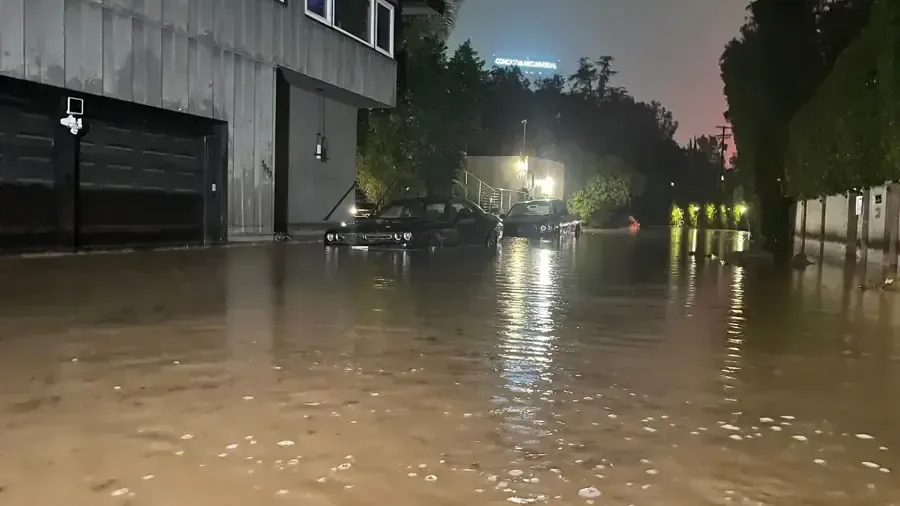
Where water trouble tends to start
Suwanee Creek, Level Creek and Dick Creek sit close to town, and the Chattahoochee River marks its western edge, so after heavy rain the water has low ground to find.
July 24, 2026: The National Weather Service issued a Flash Flood Warning for parts of Gwinnett County and creek Flood Warnings. These were warnings, not confirmed damage.
- Creek and runoff flooding The Weather Service warning text for the area says excessive runoff may flood rivers, creeks, streams and low lying, flood prone locations.
- Wet weather and the sewer In the Gwinnett County part of Suwanee, stormwater that enters the sewer, called inflow and infiltration, uses up pipe capacity during wet weather.
- Backwater valve and the lateral Georgia plumbing code requires a backwater valve when the lowest fixture sits below the next upstream manhole. In the Gwinnett County part of Suwanee, the homeowner maintains that valve.
- Georgia storm seasons The Weather Service lists Hurricane Helene in 2024 and the remnants of Tropical Storm Fred in 2021 among Georgia weather events, and neither is tied to specific damage here.
- Winter freezes The Weather Service lists winter storms across North and Central Georgia on January 10 and 21, 2025, and unheated crawl spaces, attics and garages are where pipes freeze most often.
Common water damage questions
How soon does water damage need attention?
As soon as possible, because wet drywall, insulation and subfloors can begin growing mold within a day or two. Water extraction and drying come first, and early action limits how much material has to be torn out and replaced.
What does water damage cleanup cost?
Most jobs fall between $1,300 and $18,000+. A single wet room sits at the low end, several rooms in the middle, and a lower level or sewage water at the top, since those need more removal and longer drying.
What did the July 24, 2026 flood warnings mean?
The National Weather Service issued a Flash Flood Warning for parts of Gwinnett and four other counties until 9:45 p.m., plus Flood Warnings for Suwanee Creek, Level Creek and Dick Creek. Warnings describe risk, not confirmed damage to any home, and wet yards or lower floors still deserve a quick look.
Who is responsible when a sewer backs up?
In the Gwinnett County part of Suwanee, the owner maintains the private sewer lateral to the public sewer, and Georgia code calls for a backwater valve when the lowest fixture sits below the upstream manhole. See sewage backup cleanup. That description covers the Gwinnett County portion only.
Does homeowners insurance pay for water damage?
It depends on the policy and the cause. A sudden pipe failure is commonly covered, while flood and sewer backup often need separate coverage. Moisture logs and dated photos support whichever claim applies. Reading the policy before the adjuster visit shows which one is in play.
Can fans alone dry a soaked room?
Household fans move air across the surface but do not pull moisture from framing, subfloors or insulation. Dehumidifiers and air movers set by readings do, and a moisture meter confirms when each material is dry. Skipping that confirmation lets damp walls become a bigger problem later.
How do I spot water hiding in a wall?
Bubbling paint, a musty odor, cupped flooring and a water bill that climbs without explanation all point to hidden moisture. A moisture meter and thermal camera trace it behind drywall and under flooring without opening everything.
Is sewage water handled differently?
Yes. Sewage and floodwater can carry bacteria, so the crew wears protective gear, disinfects surfaces and removes porous materials such as carpet pad and drywall that cannot be cleaned. Children and pets stay out until the work is finished.
What should I do if a pipe bursts at night?
Close the main water shutoff valve right away, which is also what Georgia utility guidance advises, then switch off power to wet areas, photograph the damage and call for emergency help. Burst pipe water damage work can start as soon as the water is stopped.
How long does structural drying take?
No single number fits every home, because the time depends on how much water got in, which materials it soaked and how humid the air is. Daily readings decide when equipment comes out, not a calendar date. See structural drying.
Wet floors and soaked walls do not dry on their own
Call now, any hour, and describe what happened so the right equipment is loaded.