Water Damage Restoration in Gainesville, GA
Burst pipes, storm water and sewage all do the same harm in Gainesville homes: wet materials keep absorbing until someone pulls the water out. The drying team extracts, opens what is soaked and dries to a measured reading.
(888) 532-4616Call about water in your Hall County home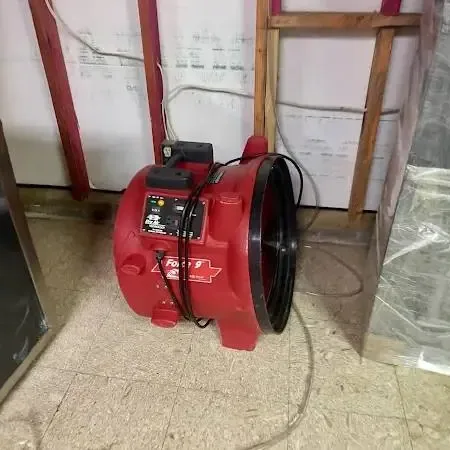
What to do while the water is still spreading
- 1
Stop the source
Shut the main valve or the fixture valve, and keep away from outlets or the panel if water is reaching them.
- 2
Lift what you can
Move small furniture, rugs and electronics onto dry ground, and prop up cabinet doors and couch skirts.
- 3
Photograph everything
Take wide and close photos of the water, the damaged items and any appliance label before anything is moved or thrown out.
- 4
Call for extraction
The sooner a crew pulls standing water, the less of it soaks into drywall, subfloor and framing.
Water problems the crew handles in town
Each service below has its own page for Gainesville homes, covering what the work involves, what drives the cost and what to do before the crew gets there.
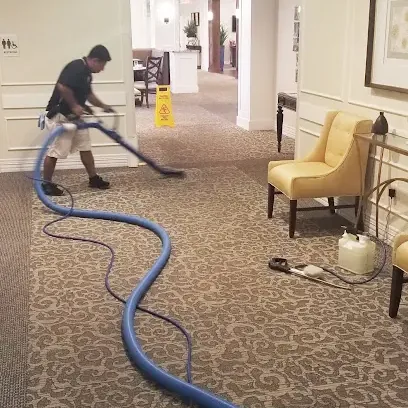 Emergency Water ExtractionTruck-mounted and portable pumps pull standing water off floors before it wicks into walls and cabinets.How it is handled
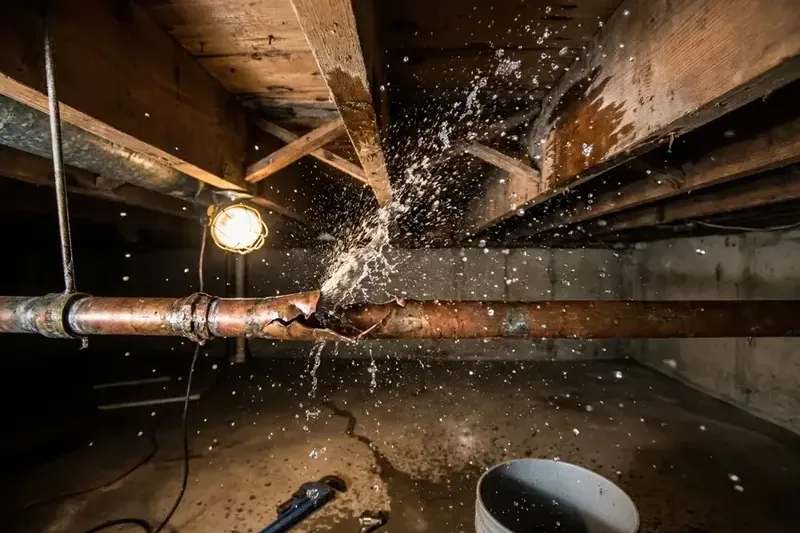 Burst Pipe Water DamageA split supply pipe soaks walls and ceilings quickly; extraction and drying follow the shutoff.How it is handled
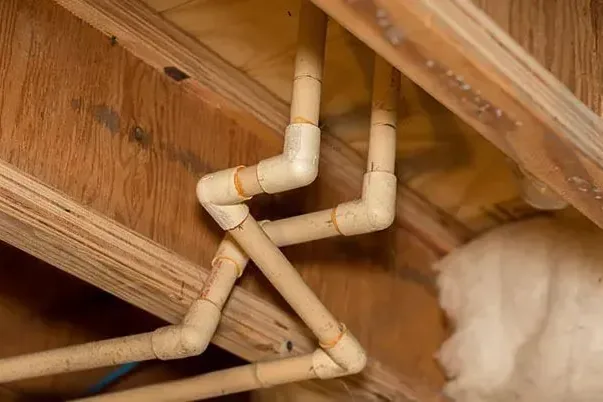 Frozen Pipe Water DamageA pipe that splits in a hard freeze floods hidden cavities once it thaws.How it is handled
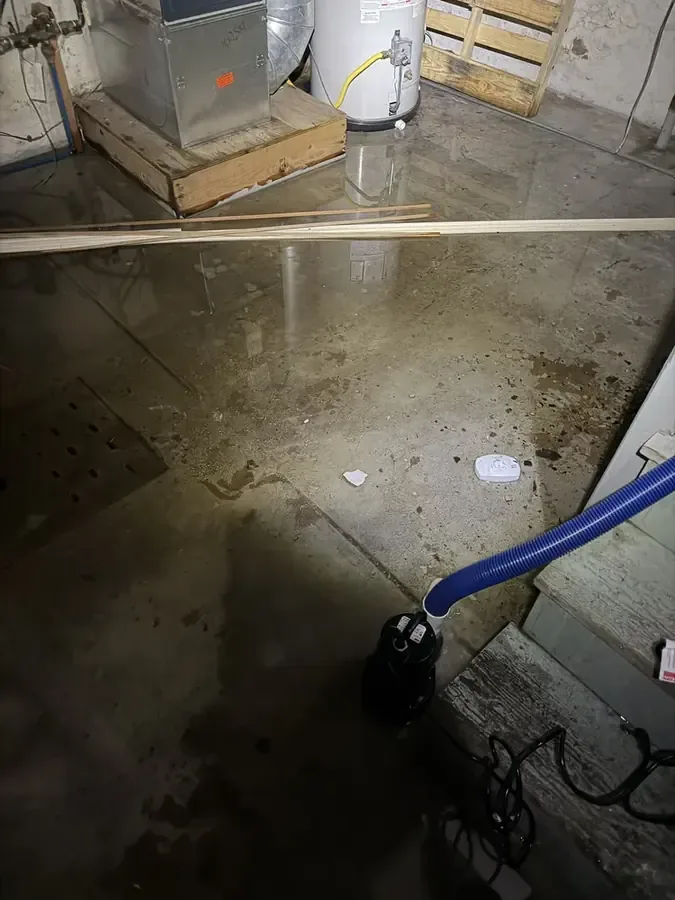
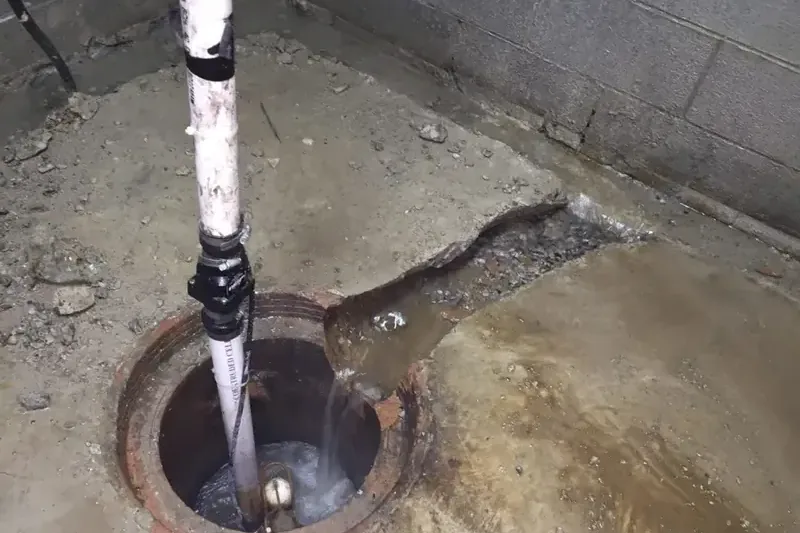 Basement Flooding CleanupWater from heavy rain or a failed pump is cleared out and the lower level is dried.How it is handled
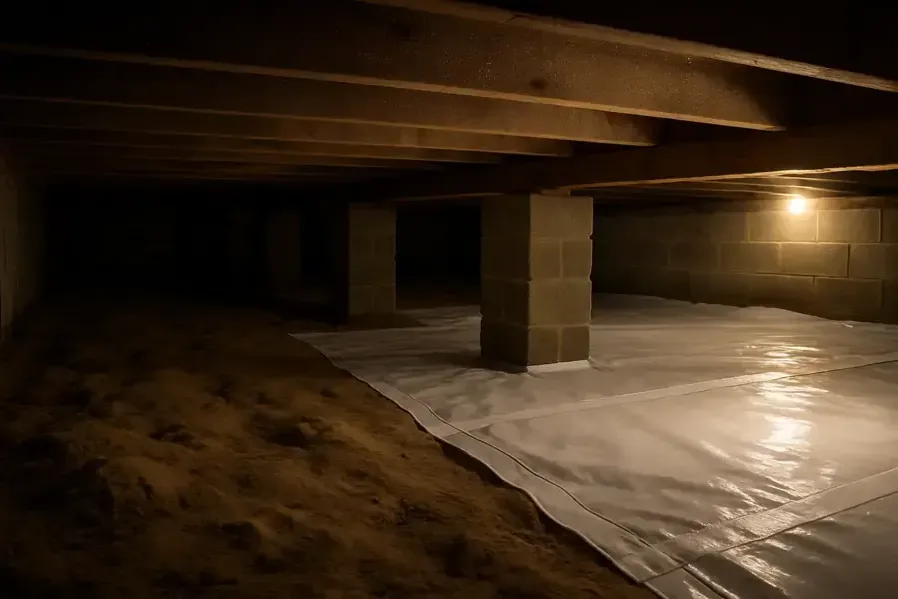 Crawl Space Water RemovalStanding water under the floor is pumped out, then wet insulation and framing are dried.How it is handled
 Storm and Flash Flood CleanupFloodwater is contaminated, so the crew removes it, discards soaked porous materials and sanitizes the rest.How it is handled
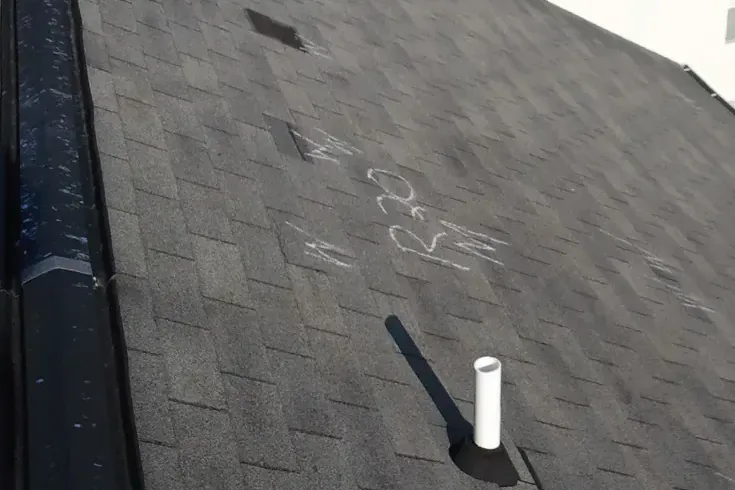 Roof Leak Water DamageWind-driven rain through shingles or flashing wets attic insulation and ceilings below.How it is handled
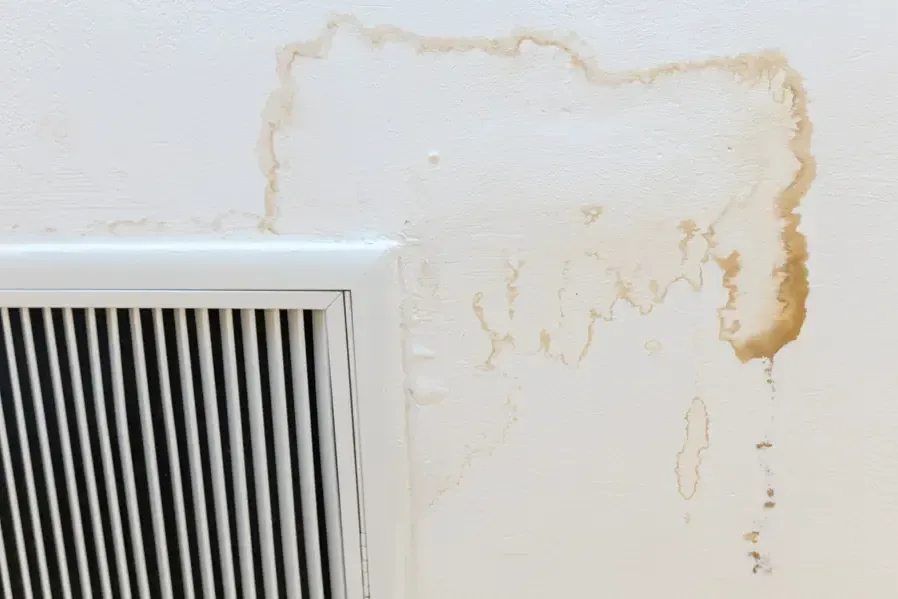 AC Drain Leak Water DamageA clogged or cracked condensate drain stains ceilings and walls near the air handler.How it is handled
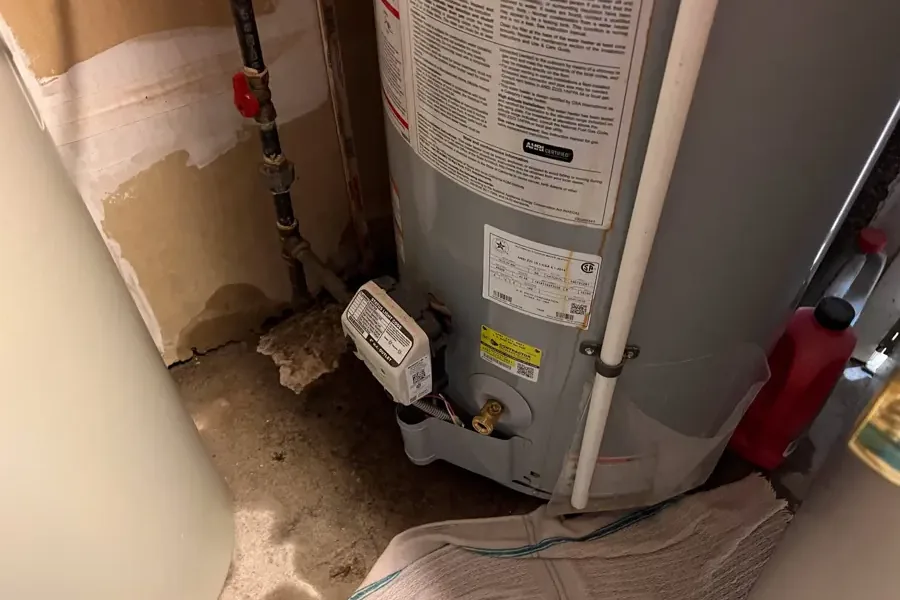 Water Heater Leak CleanupA failed tank or fitting spreads water through a closet, a garage and nearby walls.How it is handled
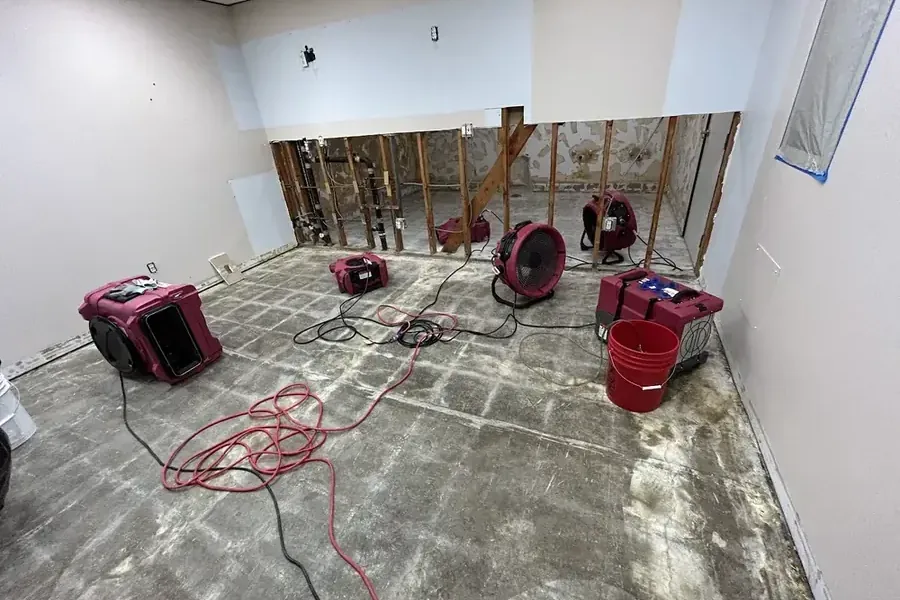 Slab Leak Water DamageWater escaping beneath a concrete floor rises into flooring and wall bottoms.How it is handled
 Sewage Backup CleanupSewage is contaminated water, so affected materials are removed and the area is sanitized.How it is handled
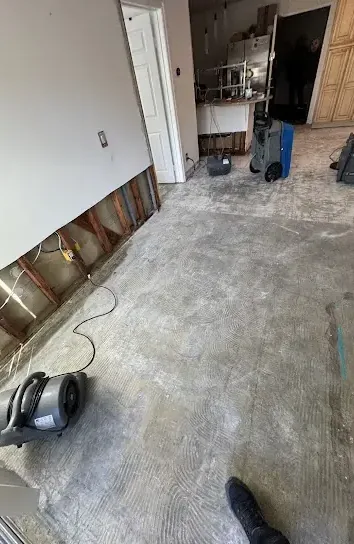 Structural Drying and DehumidificationAir movers and dehumidifiers dry framing and subfloors until readings reach a dry target.How it is handled
Dried to a number, not a feeling
- 1
Inspect and map
Moisture meters and a thermal camera mark every wet surface, including the cavities behind walls and under cabinets.
- 2
Extract and remove
Pumps and wet vacuums clear standing water, and soaked carpet pad or drywall is cut out, so the drying gear works on materials, not puddles.
- 3
Dry in stages
Air movers and dehumidifiers run on a layout matched to the room, then are moved and adjusted at each visit as the readings change.
- 4
Verify and record
Final readings are compared with the dry target and saved with photos for the claim file.
The drying team works to the industry drying standard, comparing every wet material with a dry reading taken from similar materials elsewhere in the same home. The job ends when the numbers match, not when a room feels dry.
A drying plan built around measured readings
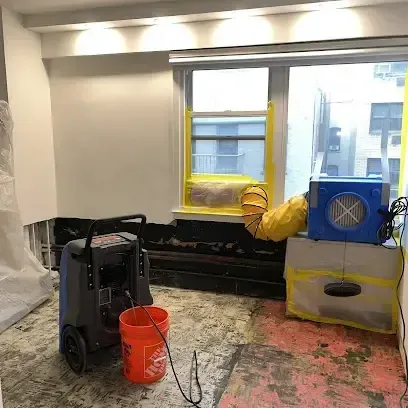
The drying team treats a wet home as a structure to be measured, not a room to be aired out. Readings set the plan and prove when it is done.
Extraction first
Standing water comes out before any drying gear goes in, because dryers alone cannot lift a flooded subfloor.
Moisture mapping
Meters and a thermal camera trace water into walls, ceilings and floors where it cannot be seen by eye.
Containment
Plastic sheeting and controlled airflow keep damp air and dust from drifting into the dry rooms of the home.
Daily records
Moisture readings and photos are logged at each visit so the insurer sees what was wet and when it dried out.
What does water damage restoration cost in Gainesville?
Expect roughly $1,300 to $18,000 or more for a typical job. Category, square footage, materials and drying speed set the number, and the crew prices it after seeing the water.
| Size of the loss | Typical range | What it usually covers |
|---|---|---|
| One room, clean water | $1,300 to $3,500 | Supply pipe or hose, One small area, Drying starts at once |
| Several rooms or gray water | $3,500 to $8,000 | Two or more rooms, Wall cavities opened, Some flooring removed |
| Whole level or black water | $8,000 to $18,000+ | Sewage or floodwater, Extended drying run, Rebuild scope noted |
The ranges cover water removal and drying only. Repairs such as new drywall and flooring are priced separately, and an adjuster makes the final call on what a policy covers.
What an adjuster will ask for
Claims move faster when the file shows what was wet, how the water got in and how the drying was checked.
- Photos taken before anything is moved
- The date and the cause of the loss
- Moisture readings for each wet room
- Receipts for emergency repair work
- A room by room list of damaged belongings
Handling the claim yourself
The crew documents the water and the drying, while coverage decisions stay between you and your carrier. Ask the carrier early which losses and which repairs the policy includes.
Keep every receipt, and save damaged items until the adjuster has seen them.
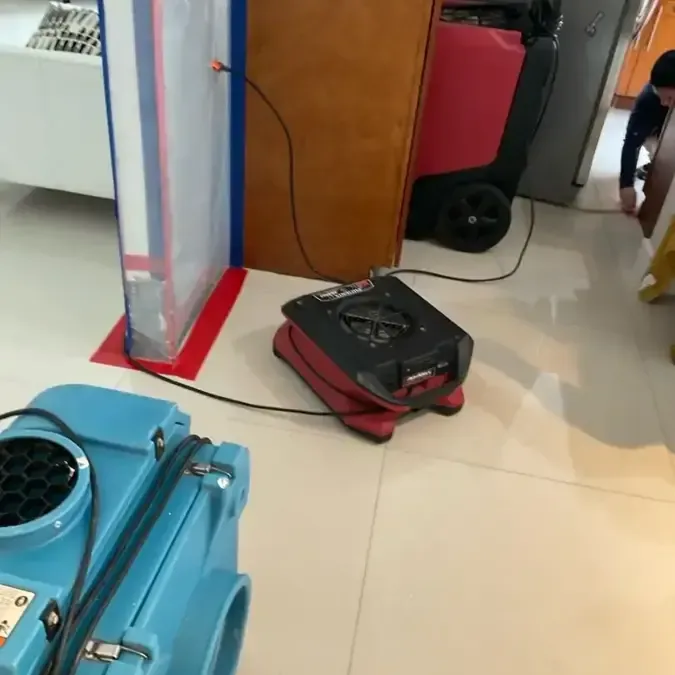
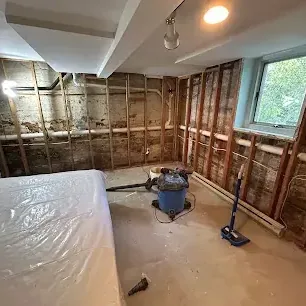
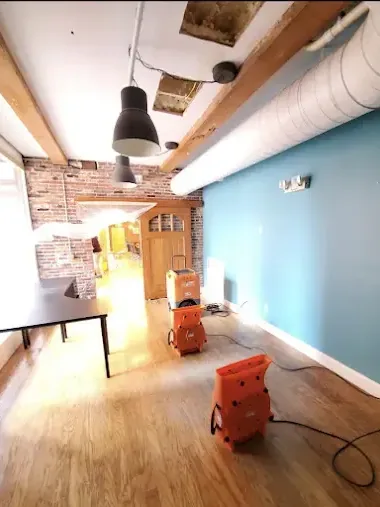
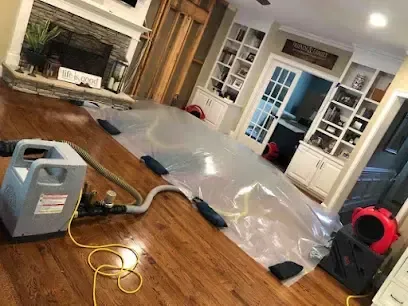
What drying equipment looks like inside a wet home
Clean, gray or black: the water type sets the work
Category 1, clean water
Supply pipe breaks, tank failures and fridge hoses. Cleared fast, it can often be dried right where it sits.
Burst pipe water damageCategory 2, gray water
Drain overflow, condensate and washing machine discharge carry contaminants, so porous materials usually come out.
AC drain leak water damageCategory 3, black water
Sewage and floodwater are grossly contaminated. Affected materials are removed and the area is cleaned and sanitized.
Sewage backup cleanupGainesville and the Hall County neighborhoods around it
Neighborhoods and local landmarks
Nearby communities
Name the street and the crew loads the right gear
Crews work across the city, from the Lake Lanier shoreline to Downtown Gainesville and the streets around Industrial Boulevard and the Brenau Downtown Center.
Say which floor took the water and what is leaking, and the crew packs pumps, dryers and sensors to match.
Gainesville, GA · [email protected]
Open every day, holidays included
Describe the water, get a crew moving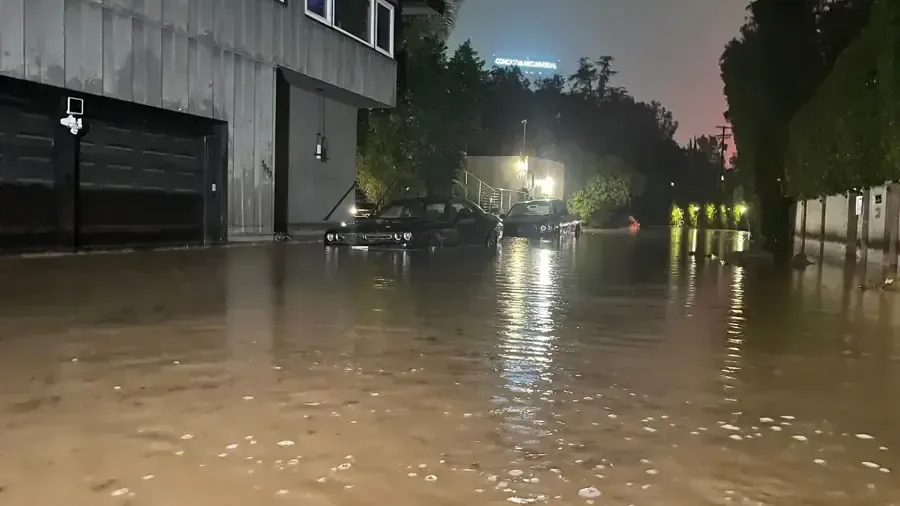
Rain, storms and sewer strain in Hall County
Hall County sits in the upper Piedmont, in the Blue Ridge foothills, where spring supercells and summer storms can drop heavy rain quickly and push water into homes.
July 24, 2026: Almost seven inches of rain fell on Hall County, closing roads and downing trees, with a flash flood warning covering Gainesville.
- Spring supercells Supercell thunderstorms can cross Hall County at any time from March through November, mostly in spring, with heavy rain that finds weak points in roofs and flashing.
- Frequent tornado watches Tornado watches are common in spring and summer, and tornado activity here runs above the Georgia average, which means wind-driven rain and storm-damaged roofs.
- Flooded roads and low ground The July 24, 2026 storm closed roads, and officials warned drivers to stay out of flooded roadways, a sign of how fast water collects in low areas.
- Sewer systems under strain After the July 2026 flooding, the Gainesville Department of Water Resources reported an estimated 5.97 million gallons of wastewater discharged at the Flat Creek Water Reclamation Facility, a reminder that heavy rain strains sewers.
- The Lake Lanier shoreline Parts of the city sit along the Lake Lanier shore, where saturated ground and runoff can push water toward foundations and low entries.
Common water damage questions
How fast does water damage spread after a heavy rain?
Water wicks into drywall, baseboards and subfloor right away, and wet framing can start growing mold within 24 to 48 hours. Pulling out the standing water first slows the spread and limits what has to be torn out.
Do I call the crew or my insurer first?
Call the crew first. Water keeps damaging materials while a claim is being opened, and the photos, readings and receipts from emergency work become part of the file your insurer works from. Then report the loss and share the drying records.
What does the drying team do first?
The team finds the source, checks which materials are wet with meters and a thermal camera, extracts standing water, and sets air movers and dehumidifiers on a layout built for those rooms. It also notes which materials are likely to be removed, so the claim file starts with an honest picture.
Is floodwater handled differently from pipe water?
Yes. Floodwater and sewage are Category 3, black water, because they carry contaminants from outside the plumbing. Porous materials such as carpet, pad and drywall usually come out rather than being dried, as covered under storm and flash flood cleanup.
Can hardwood, carpet or drywall be saved?
Hardwood, tile and solid framing can often be dried in place when work starts early, while carpet pad, insulation and soaked drywall are usually removed. Moisture readings decide each material. Moisture readings decide each material, not how it looks.
What if a crawl space or lower level is holding water?
A pump removes the standing water first, then the area is dried and checked for wet insulation and framing. Low spots hold moisture longer than the rest of the home, so they get readings too. Insulation and any vapor barrier are checked at the same time.
What should I do if sewage comes up through a drain?
Stop using water in the home, keep people and pets away, and call. Sewage is contaminated Category 3 water, so the crew removes it, discards porous materials and sanitizes what remains, as laid out under sewage backup cleanup.
Which leaks cause most water damage calls?
Failed supply pipes, water heaters, AC drains and roof leaks cause many losses, while storms add flooded crawl spaces and lower levels. Each source needs its own repair once the water is dealt with. Roof leaks and AC drains tend to show up first as ceiling stains.
What decides the final cost?
Water category, how many square feet are wet, which materials were hit and how long the water sat set the price. The crew checks those points at the house before giving a number.
Who repairs the pipe or roof that caused the leak?
A plumber or roofer repairs the source. The drying crew handles the water already in the home and can work alongside the repair trade so drying is not held up. Both jobs usually start in the same visit.
Water on the floor right now? Call before it spreads
The sooner the call, the less water the walls, floors and framing absorb.