Emergency Water Extraction in Flowery Branch, GA
Emergency water extraction in Flowery Branch, GA pulls standing water out of carpet, pad, basements and crawl spaces with truck-mounted units, so drying can start before the water wicks into the walls.
(888) 532-4616Standing water on the floor? Get the pumps rolling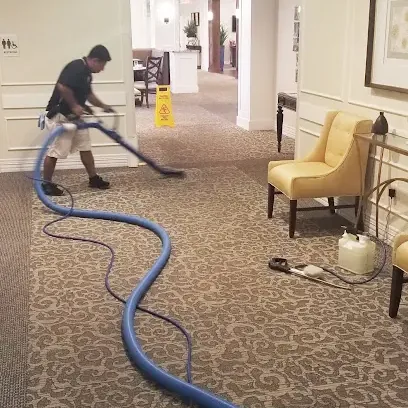
First moves for emergency water extraction
- 1
Stop the source
Close the main shutoff or the valve feeding the leak.
- 2
Kill power to wet rooms
Use the breaker only if the panel sits on dry floor.
- 3
Lift what floats
Move rugs, boxes and electronics up to a dry level.
- 4
Skip the shop vacuum
Small vacuums spread water; take the claim photos instead.
The standard behind every emergency water extraction job
Dispatch at any hour
Active water is treated as urgent around the clock, because drywall and pad keep wicking until extraction starts.
Dried to a reading
The drying team works to the IICRC S500 standard and pulls equipment only when the meters say dry.
A file the adjuster can use
Moisture maps, daily psychrometric logs and timestamped photos are taken before anything is torn out.
Built for Piedmont houses
Clay lots, walkout basements, crawl spaces and attic air handlers shape how water moves in these homes.
What does emergency water extraction cost in Flowery Branch, GA?
Water extraction on its own usually runs $300 to $1,500, and a full extraction and dry-out runs $1,500 to $6,500 or more. The water category, square footage, material class and how fast drying started set the number.
| Size of the loss | Typical range | What it usually covers |
|---|---|---|
| Extraction only, one room | $300 to $1,500 | Category 1 water, Carpet or hard floor, Single visit |
| Extraction and dry-out | $1,500 to $4,000 | Several rooms, Air movers and LGR units, Three to five days |
| Lower level or Category 3 | $4,000 to $6,500+ | Finished basement, Pad and drywall removed, Antimicrobial where needed |
Ranges are typical, not a quote: the water category, square footage, material class and how fast drying started move the number most. Run the water damage cost calculator for a closer planning figure.
The emergency water extraction process from first reading to dry
- 1
Walkthrough
Source found and moisture mapped.
- 2
Extraction
Truck-mounted wand and weighted tools on carpet.
- 3
Drying set
Air movers and LGR dehumidifiers placed.
- 4
Daily readings
Equipment out when the meters say dry.
Extraction is the cheapest part of any water loss to do early and the most expensive to do late. In Flowery Branch homes, standing water usually collects in a walkout basement, on a crawl space vapor barrier or across a slab garage, and every hour it sits it climbs further into drywall and trim.
What extraction removes and what it leaves
A truck-mounted unit pulls water through a wand far faster than any shop vacuum, and weighted extraction tools squeeze water out of carpet and pad before the crew decides what can be saved.
- Standing water on hard floors and concrete
- Water held in carpet and pad
- Water pooled on a crawl space vapor barrier
Once the bulk water is out, the crew maps what stayed wet with pinless meters and thermal imaging, and that map sets the drying plan.
Water still spreading across the floor? Every hour it sits, it climbs higher into drywall and trim.
(888) 532-4616Put a wand on the standing waterWhy fast extraction lowers the bill
Liquid water moves through a house; vapor moves slowly. Pulling the liquid out first cuts the drying time and the amount of material that has to come out. The structural drying work that follows depends on how thorough this step was.
- Less drywall cut away
- Fewer days of equipment on site
- A smaller scope for the adjuster
Pulling water is only the first pass
After the wand, moisture still sits inside framing, subfloor and concrete. Air movers and LGR dehumidifiers take it out over several days, with readings logged until the drying goal is met.
When the water came from outside
Storm runoff that came in through a basement door or a crawl space vent is Category 3 water. The extraction crew pulls it out, then soaked porous materials are removed rather than dried, and the area is cleaned before drying starts.
For flood risk on a specific lot, the FEMA flood maps page shows the zone, and Ready.gov covers flood safety at home.
Emergency water extraction across Flowery Branch and south Hall County
One dispatch covers every neighborhood listed here, around the clock.
The response team covers ZIP 30542 from the historic downtown by the depot and the Lake Lanier shoreline out to Spout Springs, McEver Road along Mud Creek, Falcon Crest Drive and Chestnut Mountain.
Nearby coverage reaches Buford, Gainesville, Sugar Hill, Cumming, Suwanee, Oakwood and Braselton.
Emergency Water Extraction questions in Flowery Branch, GA
How soon should water extraction start after a leak?
As soon as the source is stopped. Drywall, pad and subfloor keep wicking water for as long as it sits, and mold can start inside 24 to 48 hours. Dispatch runs 24/7, and active water is treated as urgent.
Can a shop vacuum replace professional water extraction?
For a small spill on tile, sometimes. For water in carpet, a basement or a crawl space, no: a truck-mounted unit pulls far more water per pass, and weighted tools squeeze it out of pad that a shop vacuum leaves soaked.
Is carpet saved after water extraction?
Often, when the water is Category 1 and extraction starts quickly. Pad usually comes out because it holds water and dries slowly. Carpet touched by sewage or storm runoff is removed, because Category 3 water is not dried in place.
Does homeowners insurance pay for water extraction?
Extraction after a sudden and accidental leak is often part of a covered claim after the deductible. Storm runoff is usually a flood coverage question. Coverage depends on your policy, so check with your own insurer and keep the photos.
What happens after the water extraction is done?
The crew maps what is still wet, sets air movers and LGR dehumidifiers, and logs readings every day. Equipment comes out once wet materials sit within 2 to 4 points of a dry reference material.
Standing water in the house? Get it pulled out now.
Truck-mounted extraction pulls the water out, then the drying team maps what stayed wet and sets the equipment.