Water Damage Restoration in Sugar Hill, GA
A burst pipe, a leaking roof or runoff pushing against a foundation can soak a home quickly. The drying team removes the standing water, opens the wet materials and keeps the equipment running until the meters read dry.
(888) 532-4616Call now about the water in your home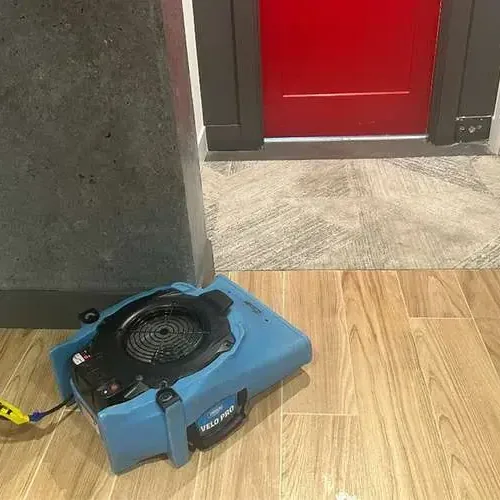
What to do right after you find water in the house
- 1
Stop the source
Shut the main valve or the appliance supply if it is safe to reach, and keep clear of any wet outlet or cord.
- 2
Cut power nearby
Turn off the breaker for the wet room, but never step into standing water to reach a panel.
- 3
Photograph the loss
Take clear photos of the water, damaged items and affected rooms before anything is moved or thrown away.
- 4
Call for extraction
Phone the water damage pros so pumping and drying begin before padding and drywall stay soaked for days.
Pick the water problem that matches your home
Each card below opens a page on one kind of water loss, from a split supply pipe to a sewage backup, with the steps and typical costs that apply.
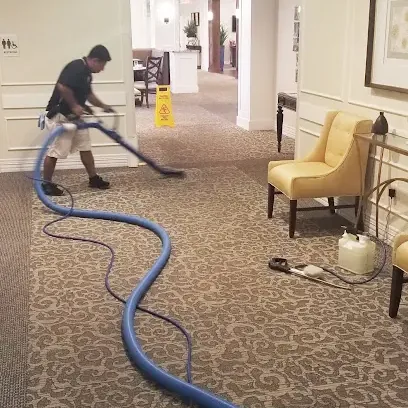 Emergency Water ExtractionPumps and extractors pull standing water from floors, carpet and low spots so drying can begin.How it is handled
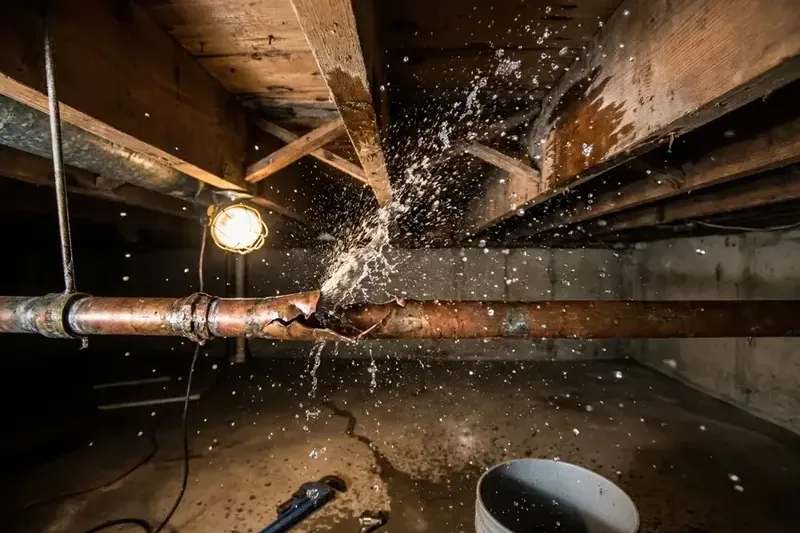 Burst Pipe Water DamageA split supply pipe can soak insulation and drywall inside a wall before anyone finds the leak.How it is handled
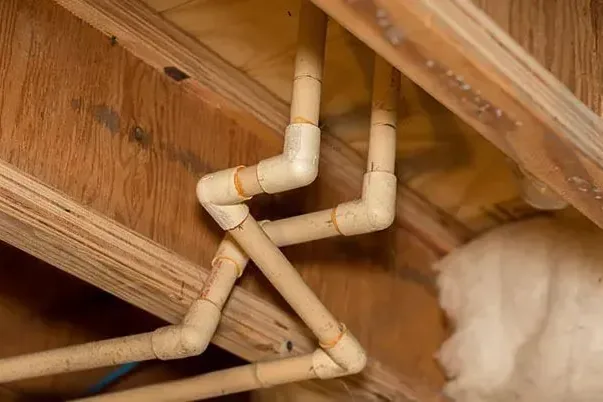 Frozen Pipe Water DamageFreeze damage often shows only after the thaw, when the cracked pipe starts leaking into walls.How it is handled
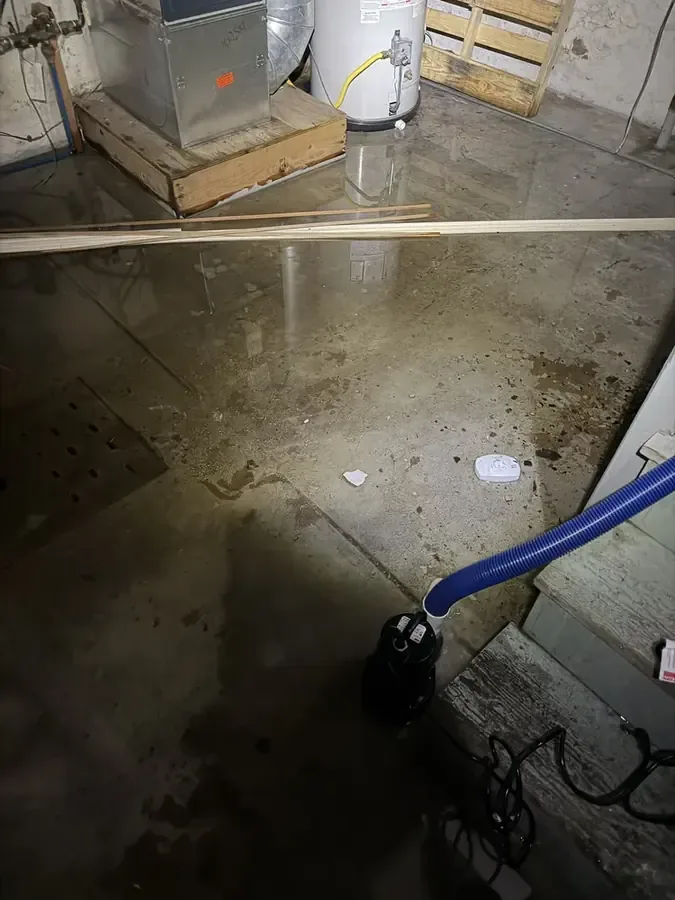
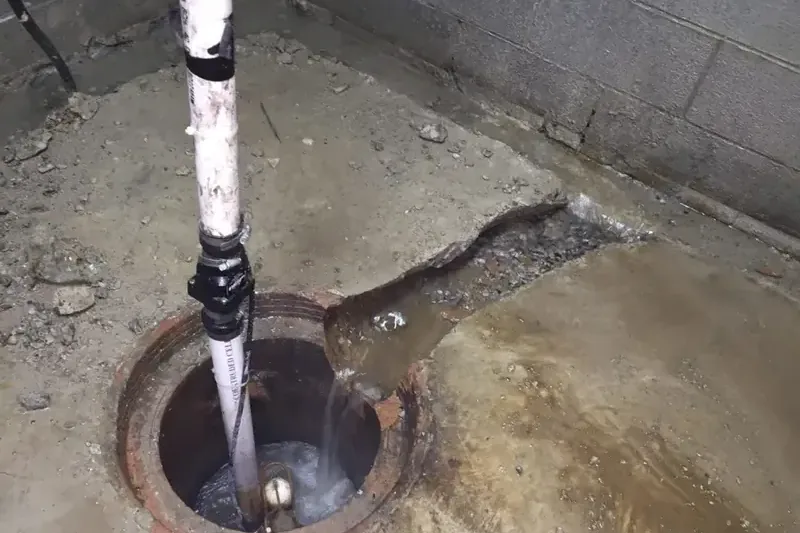 Basement Flooding CleanupLower level water is pumped out, then the slab, walls and contents are dried.How it is handled
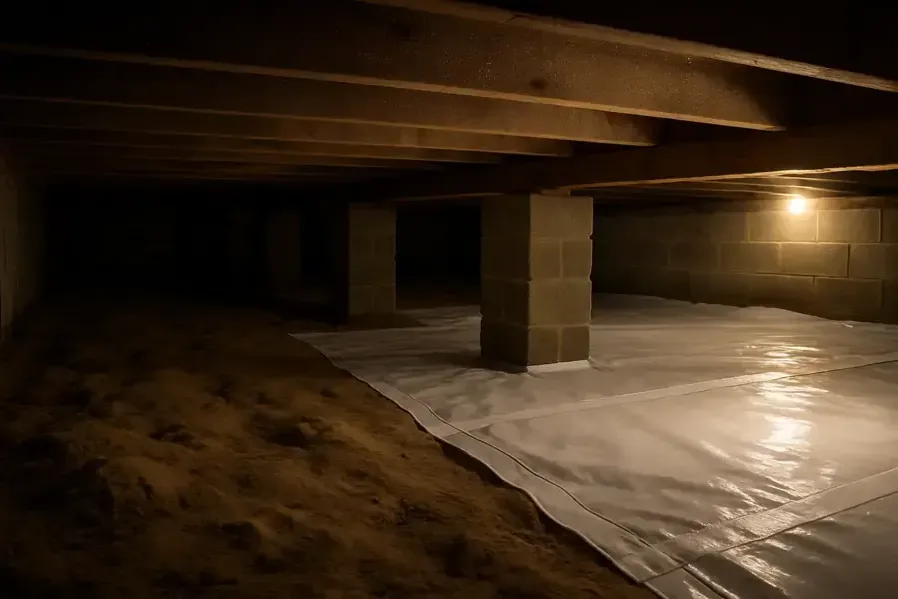 Crawl Space Water RemovalStanding water under the floor is pumped out and the wet insulation and framing are dried.How it is handled
 Storm and Flash Flood CleanupRunoff that reaches a garage, window well or foundation is removed and the structure dried.How it is handled
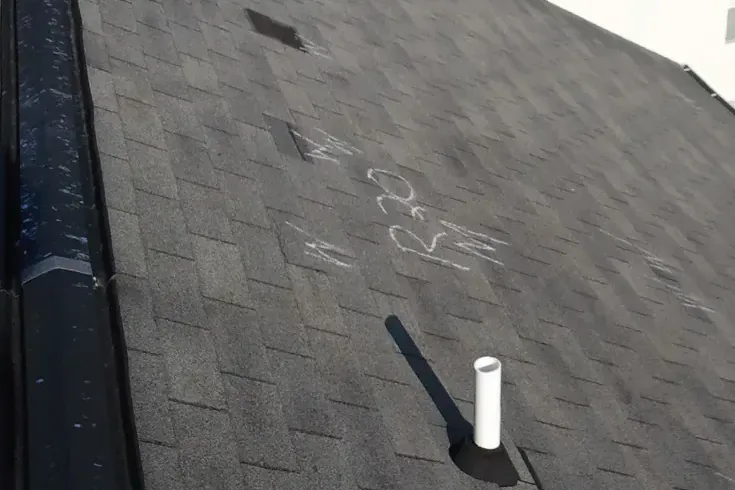 Roof Leak Water DamageRain through a damaged roof soaks insulation and ceilings, so the wet layers come out and dry.How it is handled
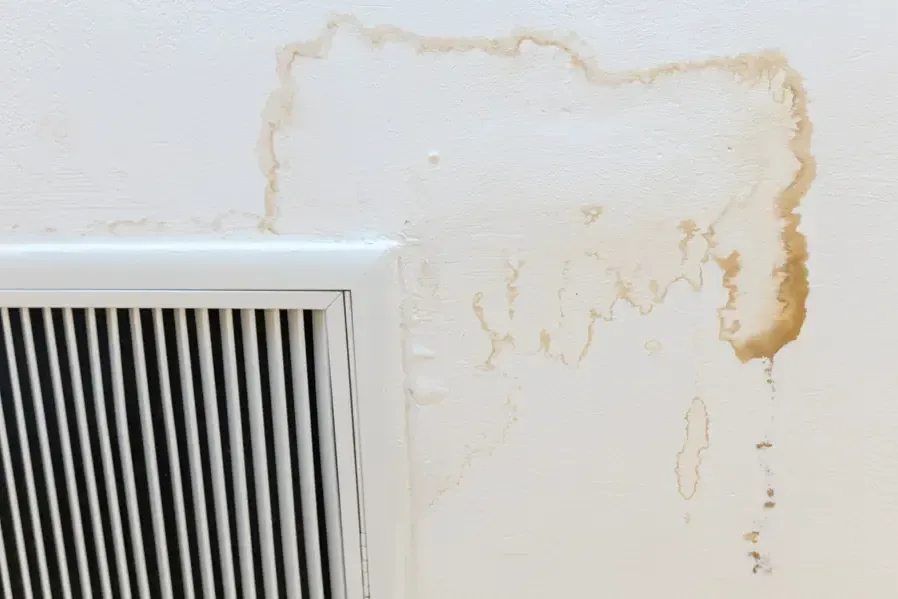 AC Drain Leak Water DamageA blocked condensate drain can overflow into ceilings and walls, and the damp drywall is dried.How it is handled
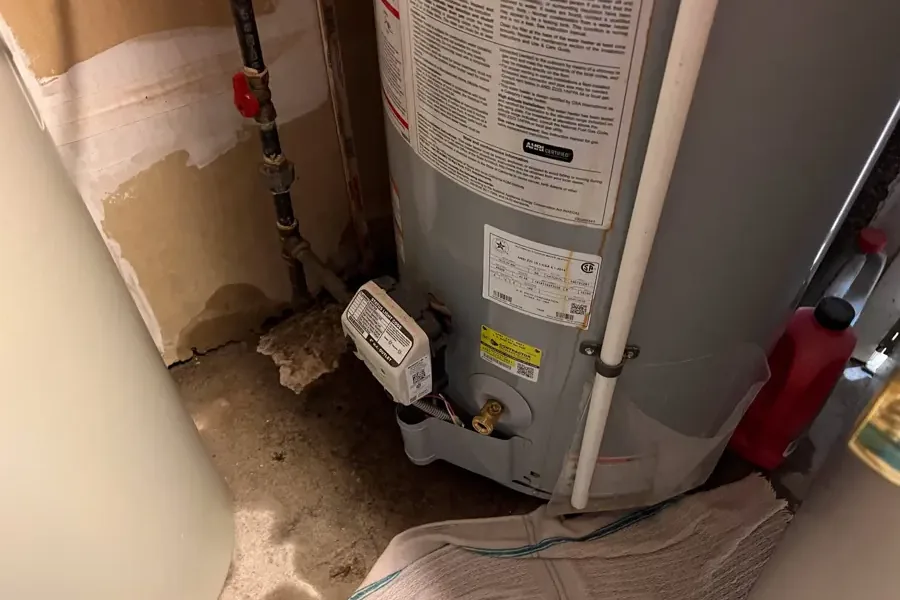 Water Heater Leak CleanupA failing tank can flood a closet, garage or attic, and wet flooring and walls are dried.How it is handled
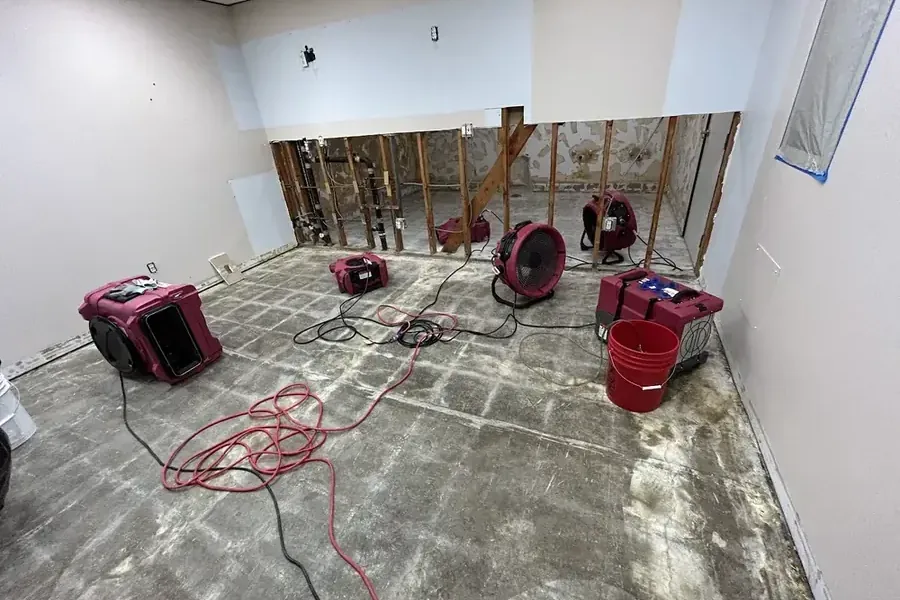 Slab Leak Water DamageA pressurized leak under the slab wets flooring and lower walls, so both are dried.How it is handled
 Sewage Backup CleanupContaminated water from a backed up sewer pipe is removed in protective gear and the area disinfected.How it is handled
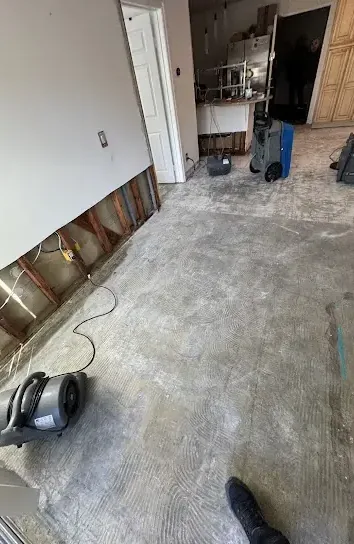 Structural Drying and DehumidificationAir movers, dehumidifiers and meters dry framing, subfloors and drywall until readings return to normal.How it is handled
Dry means measured, not guessed
- 1
Find the water
Moisture meters and thermal imaging trace where the water traveled, including behind baseboards and under flooring.
- 2
Remove the bulk
Pumps and extractors pull standing water, then saturated padding and soaked drywall are cut out and bagged.
- 3
Run the equipment
Air movers and dehumidifiers work around the clock while the team checks readings and moves units as areas dry.
- 4
Confirm dry
Final readings are recorded against the dry goal before the equipment leaves and repairs are planned.
The drying team compares moisture readings in affected materials with readings from dry ones in the same home, and the equipment stays in place until the numbers match. IICRC S500 is the industry standard behind the process.
Built around the way water moves through a home
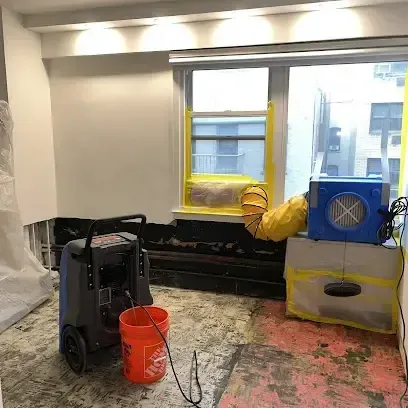
Water spreads sideways and downward long after the visible puddle is gone, so the work follows moisture through each layer instead of stopping at the surface.
Open at any hour
Pipes burst and roofs fail on nights, weekends and holidays, so the crew takes on active water emergencies whenever they happen.
Water only focus
The work covers water and sewage losses, which keeps the equipment, training and process centered on drying.
Readings, not guesses
Meters and thermal imaging show where moisture sits, so wet material is not left behind or removed for no reason.
Records for the claim
Photos, moisture logs and drying notes are kept so homeowners have documentation to share with an adjuster.
What water damage restoration usually costs
Most jobs land between $1,300 and $18,000, depending on how far the water spread, how long it sat, which materials got wet and whether it was clean water or sewage.
| Size of the loss | Typical range | What it usually covers |
|---|---|---|
| Small, contained loss | $1,300 to $3,500 | One room affected, Water caught early, Short drying run |
| Spread across several rooms | $3,500 to $8,000 | Wet walls and floors, Several days of drying, Materials cut out |
| Major or contaminated loss | $8,000 to $18,000+ | Several levels or sewage, Extended equipment run, Heavy repair work after |
These ranges are typical, not a quote. The size of the affected area, the water type and the materials involved decide the final figure.
Documenting the loss for your claim
Policies often separate sudden leaks from slow seepage, so records made while the water is still present can matter when the claim is filed.
- Photos of every wet room and item
- Notes on when the water was found
- The cause, such as a burst pipe
- Moisture readings from the drying team
- Receipts for emergency repairs and supplies
Steps you can take yourself
While waiting, move small items and furniture out of the wet area, lift curtains off the floor and open interior doors for airflow.
Leave wet drywall and flooring in place for the team to inspect, and skip the household vacuum, which is not made for water.
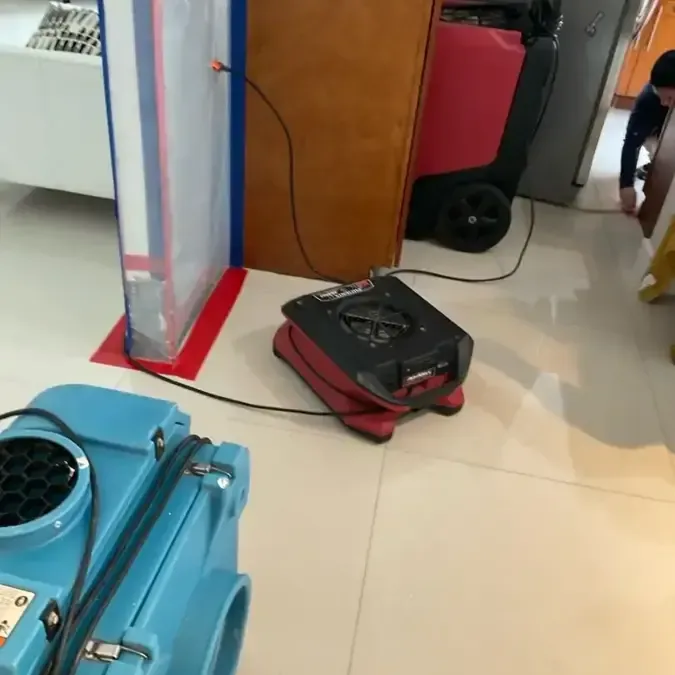
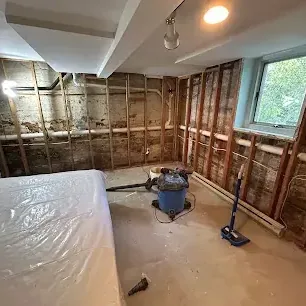
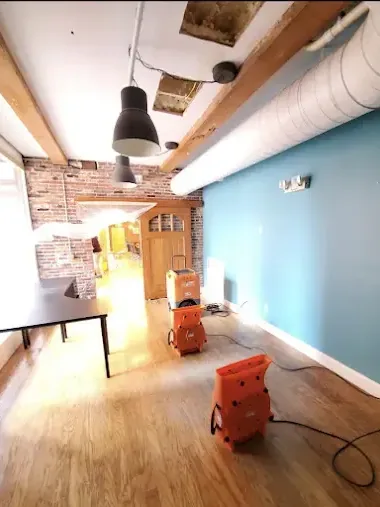
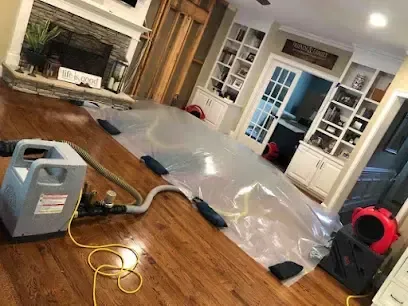
Drying setups used on water jobs in local homes
Clean, gray and black water are handled differently
Clean water from a supply pipe
A split pipe or failed fitting sends sanitary water into the home, and quick extraction and drying often limit how far the damage goes.
Burst pipe cleanupGray water from an AC drain
Overflow from a condensate drain can carry slime and debris into drywall and insulation, which makes fast drying matter.
AC drain leaksBlack water from a sewer
Sewage carries bacteria, so a backup calls for protective gear, removal of porous materials and careful cleaning.
Sewage backup cleanupWhere the crew works across Sugar Hill
Roads and neighborhoods covered
Nearby towns served
Water damage anywhere in the city is one call away
The crew works from Georgia State Route 20 through Twin Creeks, Laurel Park and River Falls, and across the streets that lead toward the parks and the Greenway trail system.
Townhome developments downtown and neighborhoods across the city are served alike, and the extraction and drying equipment goes to the job.
Sugar Hill, GA · [email protected]
Open every day, holidays included
Call now to reach the water crew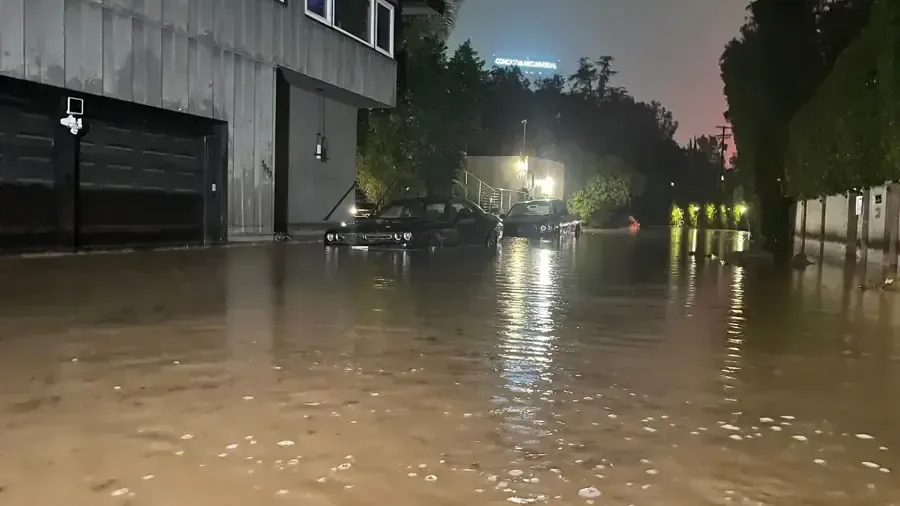
What puts water into homes around here
Rolling terrain in Sugar Hill sends rainwater downhill fast, and homes below a slope or near a creek can have runoff gather at foundations, window wells and garage doors during a hard storm.
September 2009: A prolonged band of heavy rain brought flooding across north Georgia, and Gwinnett County received a federal disaster declaration.
- Storm runoff Water gets in through a clogged gutter, a downspout that empties at the foundation or a dip in the ground beside the garage door.
- Tree and roof damage Strong thunderstorms can drop limbs and trees onto roofs in wooded neighborhoods, and rain through a puncture may not stain a ceiling for a day or more.
- Winter pipe bursts Winter pipe bursts are among the water emergencies reported here, and freeze damage often shows only after the thaw.
- Older sewer backups Backups in older sewer pipes are reported too, and Gwinnett County takes sewer backup reports from residents.
- Hidden moisture The EPA says mold can start on wet materials after 24 to 48 hours, with closets on exterior walls and crawl spaces common spots.
Questions homeowners ask
How soon should I call after I find water in my home?
Call as soon as it is safe to do so. Wet padding, drywall and framing hold moisture, and mold can start on wet materials after 24 to 48 hours, so early extraction keeps the job smaller.
Does the crew work nights, weekends and holidays?
Yes. Burst pipes, failed roofs and backed up drains rarely wait for business hours, so the response team works around the clock, every day, whenever a homeowner calls about active water.
What can I do before the drying team gets to the house?
Shut off the water at the source if it is safe, turn off power to the wet area, photograph the damage and move small valuables to a dry room. Leave wet materials in place for inspection.
How much does water damage restoration cost?
A small contained loss often runs $1,300 to $3,500, while water spread across several rooms can reach $8,000. Major or contaminated jobs go from $8,000 to $18,000 or more.
Will the drying equipment run up my electric bill?
Air movers and dehumidifiers draw power for the several days they run, so the bill can rise during a job. The team sets only the units the readings call for and removes them once the structure is dry. Expect some noise, since the units run day and night.
Can carpet, drywall and hardwood be saved?
Clean water caught early can often be dried in place. Padding, soaked insulation and anything touched by sewage are usually removed, because they hold moisture or contamination. Hardwood dries slowly, so the team checks it with a meter before deciding.
How is a sewage backup different from other water damage?
Sewage carries bacteria, so the crew wears protective gear, removes porous materials and cleans surfaces before drying begins. It is handled as sewage backup cleanup, separate from clean water losses, and nobody should touch it with bare hands.
Where do I report a public water or sewer problem?
Gwinnett County Water Resources manages the public water, sewer and stormwater system and runs a 24 hour dispatch for leak and sewer backup reports. Water already inside a home still needs extraction.
Does homeowners insurance cover water damage?
Coverage depends on the policy and the cause. Sudden events such as a burst pipe are often treated differently from slow leaks, so the team records photos and moisture readings to support the claim. Keep receipts for emergency work.
What does the drying process look like day to day?
Equipment is set after extraction, then the team returns to take readings for the structural drying log, adjust air movers and open any area that stays wet. Work ends when every material reaches its dry goal, and the team removes the equipment and shares the final readings.
Water in the house needs attention tonight, not next week
Call now and the drying team starts planning extraction for your home.