Water Damage Restoration in Buford, GA
Around-the-clock water damage restoration in Buford, GA: standing water is pumped out, wet framing and floors are dried until the meters agree with the IICRC S500 goal, and the readings are filed for the adjuster.
(888) 532-4616Water spreading through the house? Call dispatch now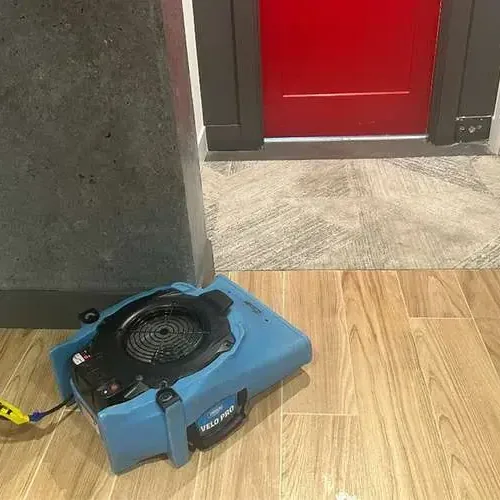
What to do while the water is still moving through the house
- 1
Close the main
Find the main shutoff and close it; a supply leak keeps running until the valve is shut, whatever the hour.
- 2
Open outside-wall cabinets in a freeze
Gwinnett County advised opening cabinets on outside walls and dripping faucets when temperatures dip below 32 degrees.
- 3
Photograph before moving
Take pictures of where the water started, the soaked floor and any stained ceiling before anything moves; adjusters ask for them first.
- 4
Lift, then call
Carry rugs, cardboard boxes and electronics to a dry room, then call. Mold growth can begin within 24 to 48 hours.
Water Damage Restoration Services in Buford, GA
Twelve water and sewage services, starting with the first pump-out and ending with the final meter check, for houses with build years from 1985 to 2026.
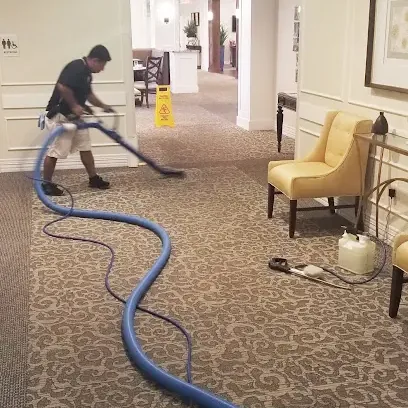 Emergency Water ExtractionTruck-mounted units pull standing water out of carpet, pad and hard floors before it climbs into the walls.How it is handled
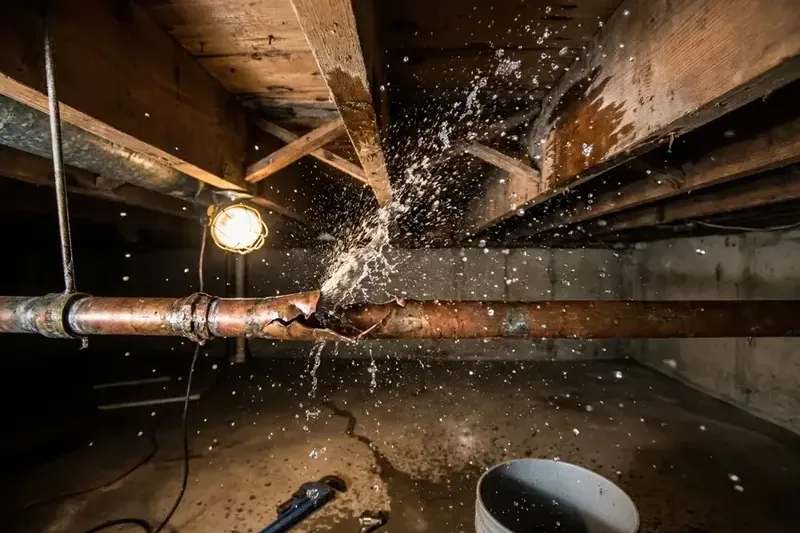 Burst Pipe Water DamageMain shut off, the spray water pulled up and each soaked wall cavity opened and dried.How it is handled
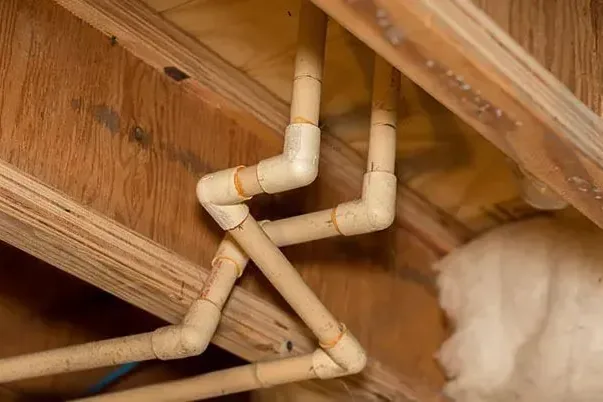 Frozen Pipe Water DamagePipes that split during an ice storm, found after the thaw and dried before the damage spreads.How it is handled
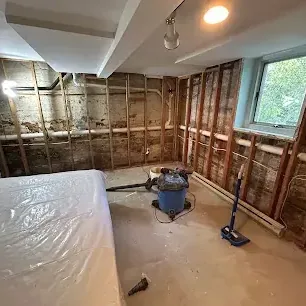
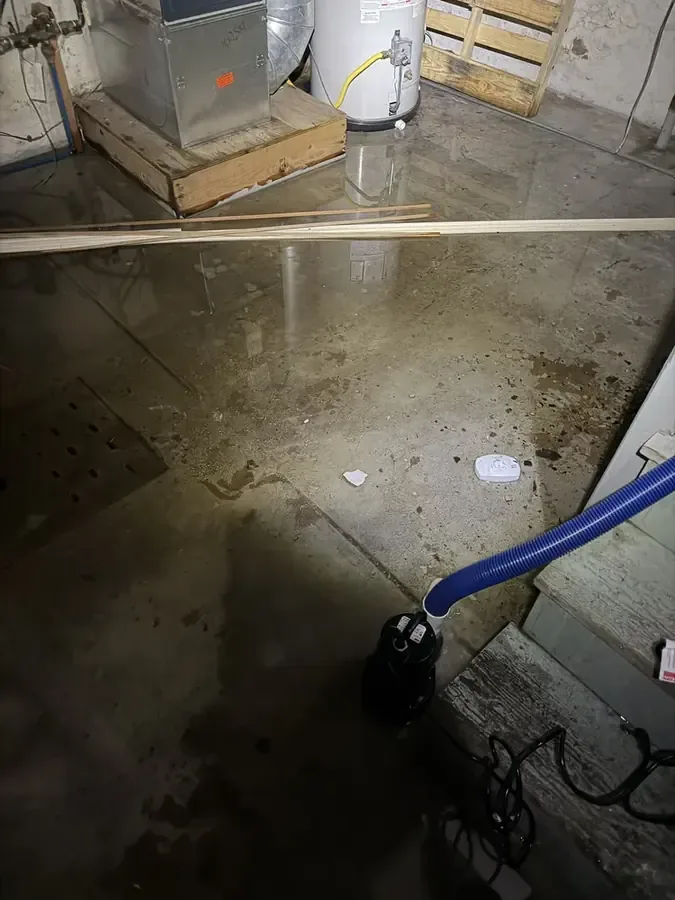
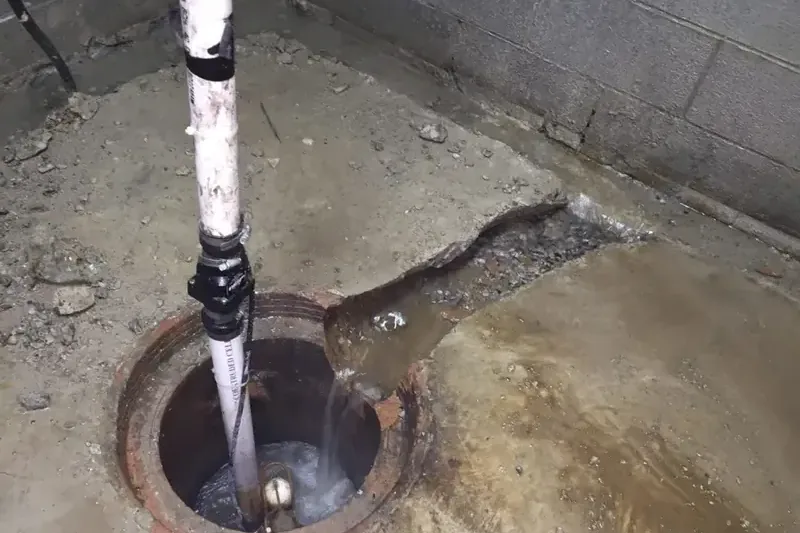 Basement Flooding CleanupLower levels pumped out, wet pad and low drywall removed and the concrete dried.How it is handled
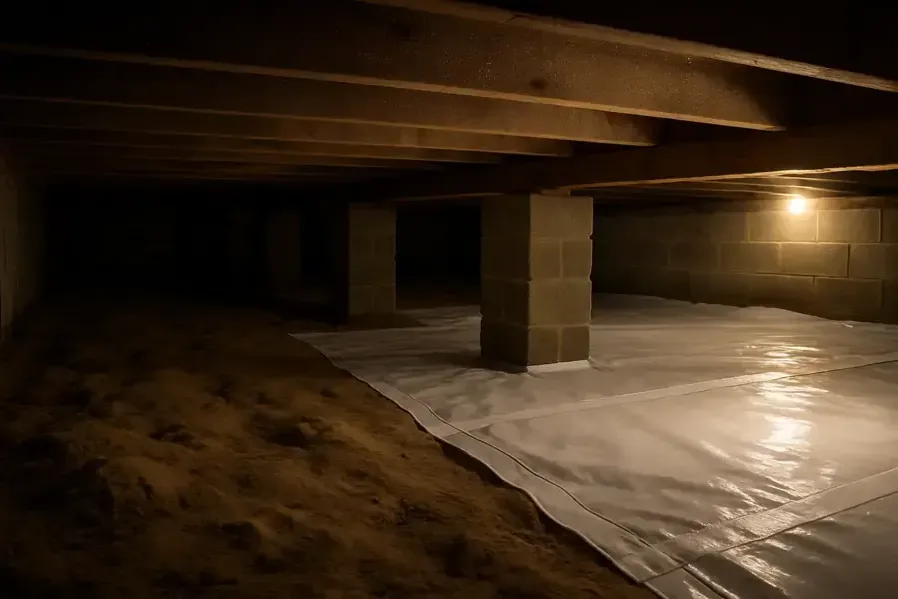 Crawl Space Water RemovalWater pooled under a raised floor pumped out and the joists dried with a dehumidifier.How it is handled
 Storm and Flash Flood CleanupStorm runoff and wind-driven rain treated as contaminated water from the first visit.How it is handled
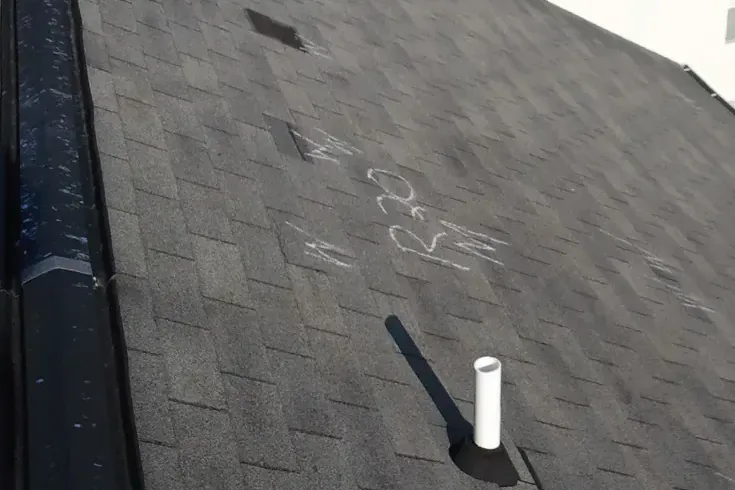 Roof Leak Water DamageWet attic insulation pulled and ceilings dried after wind, hail or a fallen limb opens the roof.How it is handled
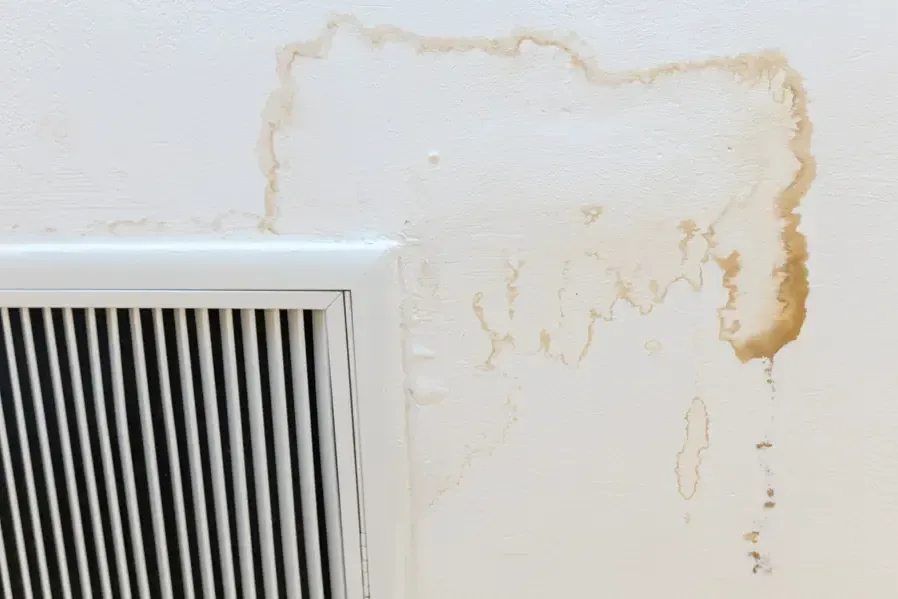 AC Drain Leak Water DamageOverflowing condensate pans and clogged drains traced, and the stained ceiling below dried out.How it is handled
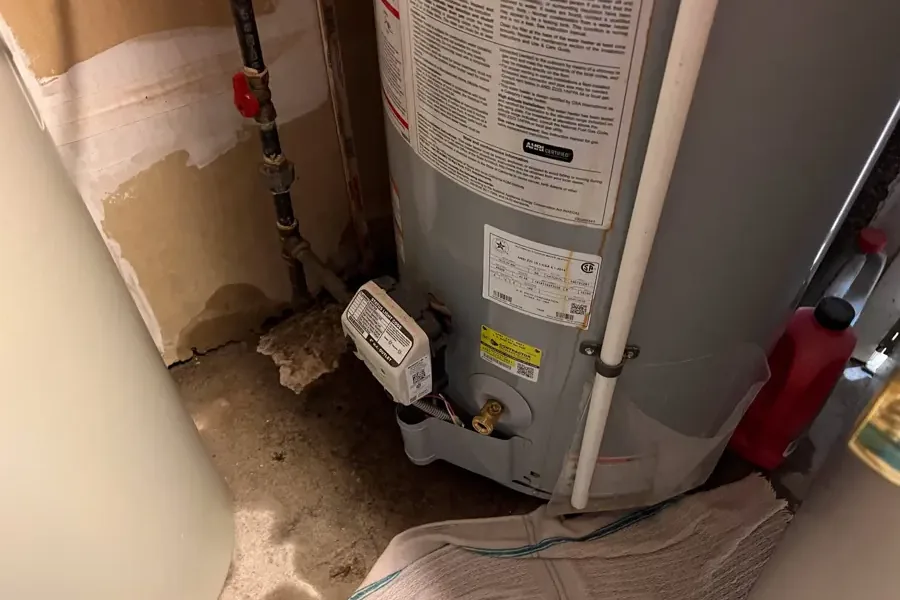 Water Heater Leak CleanupFailed tanks in garages and closets extracted before cabinets, baseboard and drywall soak through.How it is handled
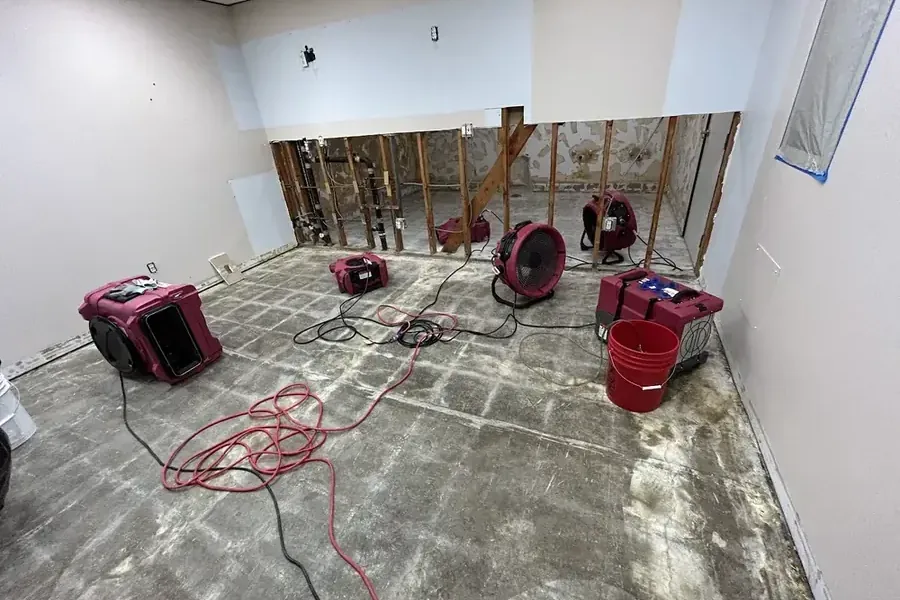 Slab Leak Water DamageLeaks under a concrete floor traced, wet flooring lifted and the slab dried to a reading.How it is handled
 Sewage Backup CleanupToilet and drain backups contained, cleaned with an EPA-registered antimicrobial and dried.How it is handled
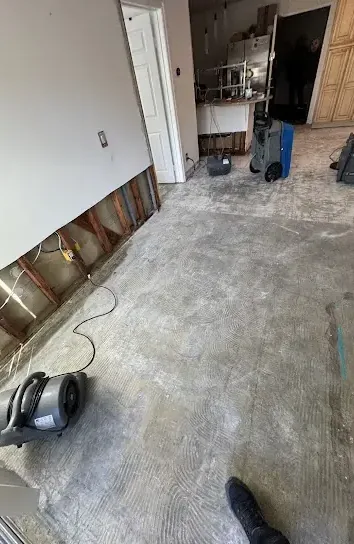 Structural Drying and DehumidificationJoists, subfloor and concrete brought back to within 2 to 4 points of unaffected material.How it is handled
Dried to the IICRC S500 standard, room by room
- 1
Find and map
First the source is found; then a thermal camera and pinless meters chart how far the moisture reached before any equipment is set.
- 2
Pull the water
The extraction crew removes standing water with truck-mounted units, so it leaves the house instead of spreading under the walls.
- 3
Size the drying
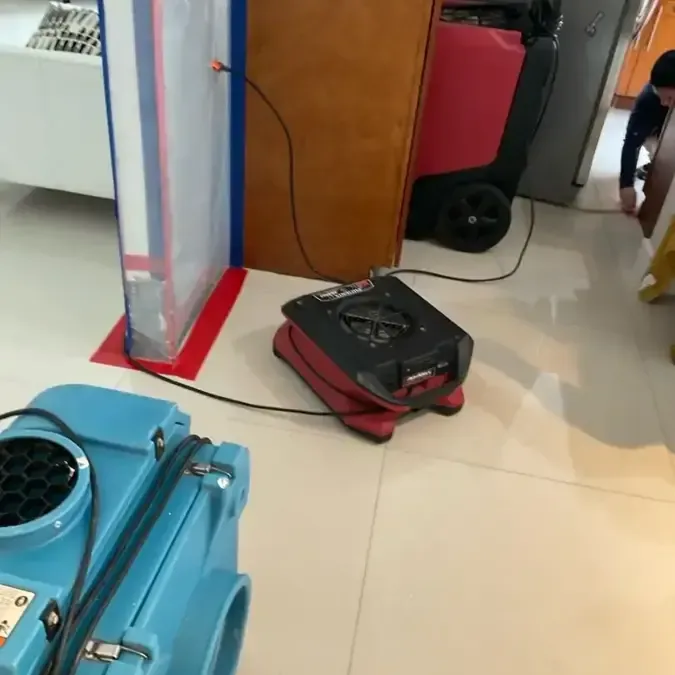
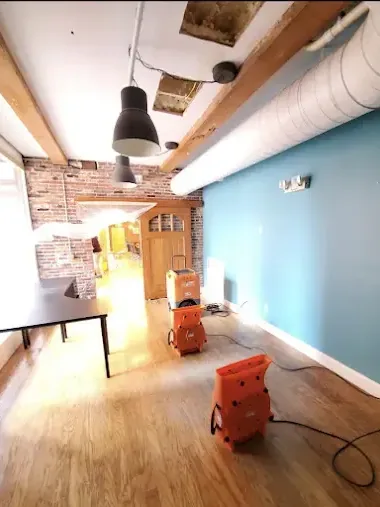
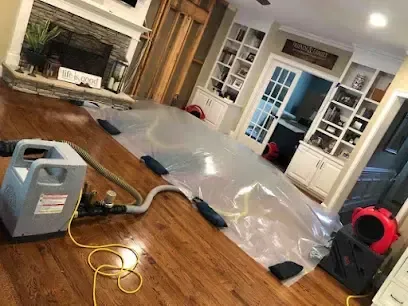
Each room gets air movers matched to its evaporation load, with LGR dehumidifiers, or desiccants for dense Class 4 materials, pulling water from the air.
- 4
Prove it dry
Meter readings go into the log daily, and equipment is pulled once wet materials come within 2 to 4 points of unaffected ones.
IICRC S500 is the restoration industry's drying standard. The class of loss, 1 through 4, sets how much equipment each room gets, and nothing comes out until readings say dry. One contained Class 1 room often dries in three to five days.
Why a dry-out is measured with meters, not eyeballed
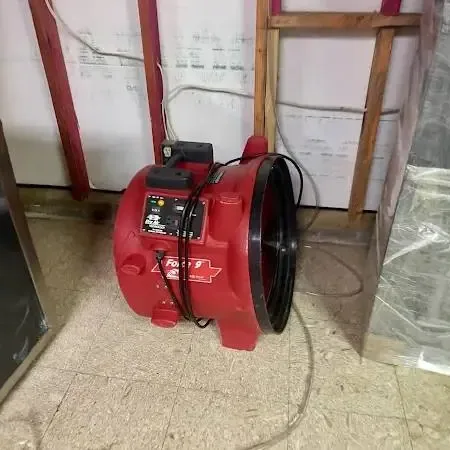
A room can look dry days before the framing is. The drying plan follows the meter readings taken in the house, so the equipment comes out only when the materials prove it.
Urgent at any hour
Active water is treated as urgent day and night, weekends and holidays included, because wet drywall keeps wicking until extraction starts.
S500 drying goal
Air movers and LGR dehumidifiers are sized to the class of loss, and they stay until the readings match a dry reference.
Adjuster-ready records
Every visit adds to a record of moisture maps, psychrometric logs and dated photos, and the photos are shot before any demolition.
Old and new houses
Neighborhoods here run from 1985 builds in Habersham Hills to 2025 communities, so every walkthrough starts with how that house was built.
What does water damage restoration cost in Buford, GA?
Most water damage restoration jobs fall between about $1,300 and $18,000 or more. The category of water, the wet square footage, the material class and how quickly drying began drive the total.
| Size of the loss | Typical range | What it usually covers |
|---|---|---|
| Single room, clean water | $1,300 to $3,500 | Category 1 water, A single small room, Drying begun on day one |
| Several rooms or a lower level | $3,500 to $8,000 | Drywall flood cuts, Pad and baseboard removed, Added air movers and LGR units |
| Sewage, storm water or a full floor | $8,000 to $18,000+ | Category 3 water, Containment plus antimicrobial, Porous materials taken out |
These figures are typical ranges, not a quote. For a tighter planning number try the cost calculator; the actual scope comes from the moisture map.
What goes into the claim file
Adjusters decide a water claim on the documentation, not on the first conversation. A complete claim file from the drying team includes these items:
- a moisture map drawn at the first visit
- daily psychrometric logs and moisture readings
- timestamped photos taken before demolition starts
- the category and class of the water loss
- a line-item scope written the way adjusters expect
Sudden leak or rising water?
When a supply pipe bursts or a water heater fails without warning, the claim is usually treated differently than water rising from outside, which is a flood insurance matter.
Every policy is different, so check what yours covers with your own insurer before signing the scope.
What structural drying looks like inside a water-damaged home
Every category of water damage handled in local homes
Category 1, clean water
Water from a split supply pipe, a tank failure or a fridge hose. Pulled fast and dried in place before it can turn dirtier.
Burst pipe water damageCategory 2, gray water
Discharge from a washer or dishwasher, or a condensate pan that spilled over. Soaked pad usually goes; sealed surfaces get cleaned and dried.
AC drain leak water damageCategory 3, black water
Sewer backups and storm water from outside. Anything porous it soaked is cut out inside containment instead of dried.
Sewage backup cleanupBuford and the Gwinnett and Hall County communities around it
Neighborhoods and corridors
Nearby communities
One call sends a water crew to any address in town
Coverage takes in the city limits on both the Gwinnett and Hall County sides, from the historic downtown on Main Street and Shadburn Avenue to the Mall of Georgia area and the newer communities.
Tell dispatch the nearest cross street and which floor took the water, and the crew loads the right amount of gear.
Buford, GA · [email protected]
Open every day, holidays included
Name the cross street, get a crew moving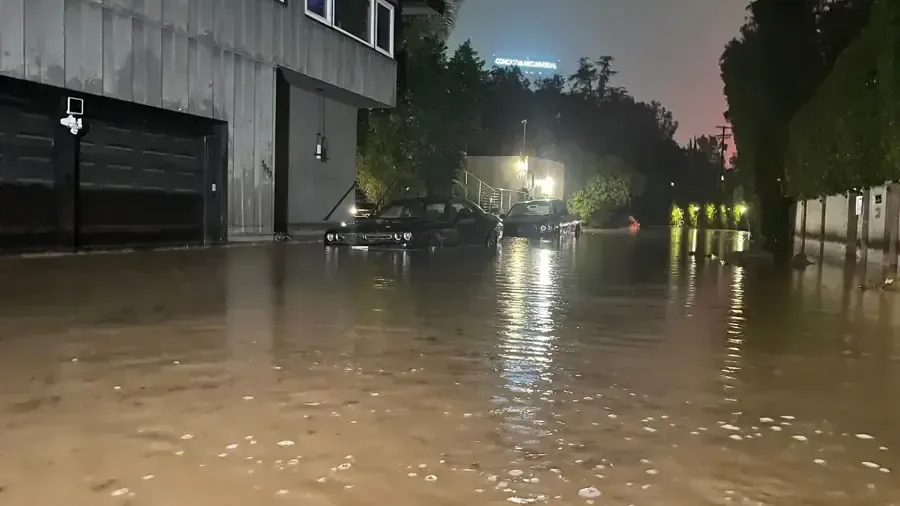
Water damage in Buford, GA: the local risk profile
The city spans Gwinnett and Hall counties just south of Lake Lanier, with neighborhood build years running from 1985 to 2026. Water damage here ranges from frozen pipes to sewer backups and storm leaks.
January 23, 2026: Gwinnett County declared a local state of emergency ahead of a hazardous ice storm, and the Buford Senior Center opened as a county warming station.
- Ice storm emergencies. Hard freezes come with little warning, and pipes in garages, attics and exterior walls are the first to split.
- Cabinets on outside walls. The county Water Resources director advised opening cabinets on outside walls and dripping faucets below 32 degrees, because the supply pipes behind them freeze first.
- Older and newer homes side by side. Communities range from Habersham Hills, with a median build year of 1985, to Hosch Reserve and Edenmoor at 2025, so a call can mean an old water heater or a new install.
- Sewer and septic systems. The city runs its own sewer department with an Oil and Grease Removal policy and tells septic owners to pump every three to five years; grease and full tanks both push water back up.
- Fixture overflows. Overflowing toilets and tubs soak the bathroom floor and the ceiling below; the city's Toilet Retrofit Program offers a rebate for replacing older toilets.
Buford water damage questions, answered
How fast can a crew start on an active water loss here?
Dispatch covers the whole city, Gwinnett side and Hall side, around the clock, and active water is handled as urgent whatever the hour. Getting water out quickly matters most, since pad, drywall and subfloor keep soaking it up the longer it stands.
Will a Georgia homeowners policy pay for water damage?
Damage from a sudden, accidental event, like a burst supply pipe or a failed water heater, is often paid after the deductible. Water rising from outside is normally a flood policy matter, and sewer backup tends to need a separate endorsement. Read your own policy or ask your insurer.
What should a household do when an ice storm is coming?
Gwinnett County's Water Resources director advised dripping faucets and opening cabinets on outside walls once temperatures dip below 32 degrees. Know where the main shutoff is, keep the heat steady overnight and check every tap after the thaw.
How long does drying take after a leak?
One room with a contained Class 1 loss and low-porosity materials typically takes three to five days. Hardwood, concrete and wet wall cavities need more time, as a slab leak shows. Equipment comes out when the meters hit the goal, not after a set number of days.
What does the IICRC S500 standard require?
IICRC S500 is the standard the restoration trade dries to. It defines the three water categories, uses the class of loss to size the equipment, and calls a material dry when it reads within 2 to 4 points of unaffected material in the same house.
When does wet drywall need to come out?
If a clean supply leak wet it, drywall can often stay and be dried through small holes with air blown into the cavity. If sewage or storm runoff touched it, the drywall is cut away above the waterline, because porous material hit by Category 3 water is replaced instead of dried.
Why is a sewage backup handled differently?
A backup counts as Category 3 from the first moment. Containment goes up, the crew suits up and runs HEPA air scrubbers, anything porous it reached is bagged and removed, and an EPA-registered antimicrobial sits for its full label dwell time before drying. See sewage backup cleanup.
Does the city's sewer policy matter for drain backups?
The City of Buford runs its own sewer department and keeps excess oil and grease out of its sanitary sewer through an Oil and Grease Removal policy. Grease poured down a kitchen drain is a common cause of clogs that push water back up through the lowest fixture.
How is a water damage bill put together?
Four factors set it: which category of water it was, how many square feet got wet, the material class and how fast drying started. Each line of the scope follows the format adjusters work in, so it can be matched against the moisture map.
Does a home built in 2025 still need professional drying?
Yes. New drywall, subfloor and framing soak up water the way older materials do. Communities here run from 1985 builds such as Habersham Hills to 2025 neighborhoods like Hosch Reserve, and each house gets the same moisture map, readings and drying goal.
Water damage in the house? Get the drying started today.
As long as water stands, it keeps wicking into drywall, trim and the subfloor below.