Emergency Water Extraction in Buford, GA
Water that sits keeps soaking into drywall, subfloor and cabinet bases. The extraction crew pulls standing water out of Buford homes, then points the drying equipment at whatever is still wet.
(888) 532-4616Standing water in the house? Call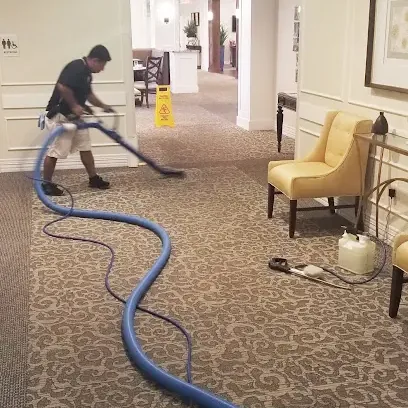
First moves for emergency water extraction
- 1
Stop the source
Close the shutoff valve or the main if water is still running.
- 2
Cut power to wet rooms
Turn off breakers for any room with water on the floor.
- 3
Lift small items
Move rugs, boxes and electronics out of the water.
- 4
Photograph it all
Shoot the high-water mark and the source before cleanup.
The standard behind every emergency water extraction job
Dispatch at any hour
Active water is treated as urgent around the clock, because drywall and pad keep wicking until extraction starts.
Dried to a reading
The drying team works to the IICRC S500 standard and pulls equipment only when the meters say dry.
A file the adjuster can use
Moisture maps, daily psychrometric logs and timestamped photos are taken before anything is torn out.
Built for Piedmont houses
Clay lots, walkout basements, crawl spaces and attic air handlers shape how water moves in these homes.
What does emergency water extraction cost in Buford, GA?
Extraction alone runs $300 to $1,500 for a single room, while a full dry-out lands at $1,500 to $4,000. Lower levels or contaminated water can reach $4,000 to $6,500 or more.
| Size of the loss | Typical range | What it usually covers |
|---|---|---|
| Extraction only, one room | $300 to $1,500 | Pump and wet vacuum, Carpet and pad extracted, Moisture check |
| Extraction and dry-out | $1,500 to $4,000 | Air movers set, Dehumidifier running, Daily readings |
| Lower level or Category 3 | $4,000 to $6,500+ | Protective gear, Contaminated materials removed, Disinfecting |
Ranges are typical, not a quote: the water category, square footage, material class and how fast drying started move the number most. Run the water damage cost calculator for a closer planning figure.
The emergency water extraction process from first reading to dry
- 1
Locate
Source found and shut off first.
- 2
Extract
Pumps and vacuums clear the water.
- 3
Meter
Moisture readings map the damp materials.
- 4
Place
Drying equipment goes where the readings point.
Buford homes run from a median build year of 1985 in Habersham Hills through 1997 in Brickton Station and 2002 in River Falls to 2025 in Hosch Reserve. Whatever the age of the house, extraction starts the same way: find the source, shut it off, then pull out what is standing.
Where the crew starts
The first job is the source: a split supply pipe, a failed hose, a backed-up drain or rain coming in. Shutting it off comes before any pumping.
- Pumps and wet vacuums clear pooled water from hard floors
- Carpet and pad are extracted so the layers stop holding moisture
- Rugs, boxes and furniture legs are lifted out of the wet area
With the surface water gone, moisture meters and thermal imaging show the wetter spots under flooring and behind baseboards. Those readings decide where the drying equipment is placed and which materials can stay.
Water still pooling in a room? The longer it sits, the deeper it travels into the walls and floor.
(888) 532-4616Start pulling the standing waterWhy standing water cannot wait
Water wicks upward into drywall and sideways under flooring, and damp framing can start growing mold after 24 to 48 hours. Pulling the water out early keeps a small job small.
- Wet drywall softens, stains and sags
- Hardwood and laminate cup and lift at the seams
- Padding and insulation hold water like a sponge
Extraction is not drying
Extraction removes liquid water, but the building stays damp afterward. A drying phase with air movers and dehumidifiers follows, as laid out under structural drying, with daily readings to show when the materials are done.
City utilities and the house
The City of Buford runs its own Water and Sewer departments, which is worth knowing when a supply problem seems to start outside the house. Water already inside the home is the extraction crew's job, and photos of the source and the wet rooms help the insurance claim. Sewage in the water is a separate job, covered under sewage backup cleanup.
Emergency water extraction across Buford and nearby communities
One dispatch covers every neighborhood listed here, around the clock.
The extraction crew works both Buford ZIP codes, 30518 and 30519, from Main Street and Shadburn Avenue downtown to the Buford Drive corridor and the Mall of Georgia, and into Mill Creek Lakes and Chatham Village.
The same service nearby: emergency water extraction in Flowery Branch, Sugar Hill, Suwanee.
Emergency Water Extraction questions in Buford, GA
What is the difference between extraction and drying?
Extraction pulls liquid water out of carpet, pad and hard floors. Drying comes after, using air movers and dehumidifiers to draw moisture out of drywall, framing and subfloor that stayed damp. Skipping the second step leaves materials wet underneath.
Is a rented wet vacuum enough for a flooded room?
A wet vacuum lifts surface water but cannot reach water in the pad, under cabinets or inside wall bottoms. Meters find those pockets, and leaving them is how stains and odors set in.
Does carpet have to come out after standing water?
Not always. Clean water caught early can sometimes be extracted from carpet and pad. Water that sat for a long time, or that carried sewage or outside contamination, usually means the pad and sometimes the carpet go.
What should be done before the crew starts?
Shut off the water source if it is safe, turn off power to wet rooms and move small items and electronics out of the water. Photos of the water and the source help the claim file.
Will insurance cover water extraction?
Many homeowner policies cover sudden water events such as a burst pipe or appliance failure, and often the extraction and drying that follow. Slow leaks and flood-type water may be treated differently, so the policy wording decides.
Standing water in the house? Get extraction started.
Pumps, vacuums and meters go to work on the wet rooms, and readings are kept for the insurance claim file.