Emergency Water Extraction in Sugar Hill, GA
Standing water soaks into padding, baseboards and subfloor quickly. The extraction crew pumps it out, lifts what cannot stay and leaves each room ready for the drying equipment to take over.
(888) 532-4616Call to start the pumping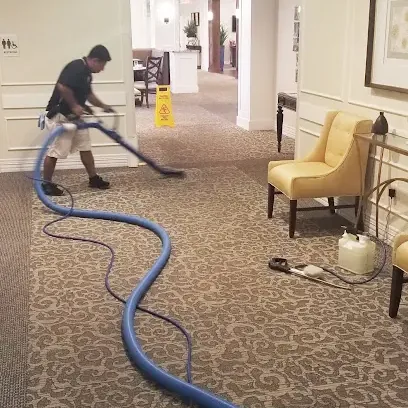
First moves for emergency water extraction
- 1
Assess the water
The crew checks depth, water type and spread before choosing pumps.
- 2
Pump out the deep water
Submersible and truck mounted pumps clear the standing water first.
- 3
Extract damp surfaces
Wand tools pull moisture from carpet, padding and hard floors.
- 4
Hand off to drying
Meters mark what is still wet so drying can begin.
The standard behind every emergency water extraction job
Dispatch at any hour
Active water is treated as urgent around the clock, because drywall and pad keep wicking until extraction starts.
Dried to a reading
The drying team works to the IICRC S500 standard and pulls equipment only when the meters say dry.
A file the adjuster can use
Moisture maps, daily psychrometric logs and timestamped photos are taken before anything is torn out.
Built for Piedmont houses
Clay lots, walkout basements, crawl spaces and attic air handlers shape how water moves in these homes.
What does emergency water extraction cost in Sugar Hill, GA?
Extraction alone usually costs between $300 and $1,500 for a single room, and the figure climbs when the water has to be dried out of walls and floors or came from a sewer.
| Size of the loss | Typical range | What it usually covers |
|---|---|---|
| Extraction only, one room | $300 to $1,500 | Pumping and wand work, Meter check, Debris removal |
| Extraction and dry-out | $1,500 to $4,000 | Air movers set, Dehumidifier running, Daily readings |
| Lower level or Category 3 | $4,000 to $6,500+ | Deep water pumping, Protective gear, Contaminated material removal |
Ranges are typical, not a quote: the water category, square footage, material class and how fast drying started move the number most. Run the water damage cost calculator for a closer planning figure.
The emergency water extraction process from first reading to dry
- 1
Assess
Water depth, type and spread are checked.
- 2
Pump
Deep water is pumped off the floor.
- 3
Extract
Carpet and hard floors are extracted.
- 4
Dry
Meters decide the drying equipment setup.
Extraction is the first job on almost every water loss. Water left in carpet and flooring keeps spreading into the materials beneath, so the crew removes as much liquid as possible before any drying equipment is set.
How extraction works in a home
Rolling terrain moves rainwater downhill quickly, so extraction here also looks at where the outside water got in, such as a clogged gutter, a downspout that empties against the foundation or a low spot by the garage door.
- Pumps clear deep water from a floor
- Wand extractors pull water from carpet and padding
- Wet vacuums work corners, stairs and thresholds
Once the surface water is gone, moisture meters check the subfloor and the lower walls, because the water nobody can see is the part that causes trouble later, and a sweep of adjoining rooms catches seepage under doors.
Standing water gets harder to remove with every passing hour. Call now and the extraction crew can plan the pumping.
(888) 532-4616Sugar Hill standing water helpWhat gets removed and what gets saved
Hardwood, tile and vinyl can often be dried in place when the water is caught early. Carpet padding and soaked insulation seldom recover and are usually cut out and bagged.
- Padding and loose carpet are lifted
- Baseboards come off so walls can drain
- Soaked drywall is cut back to dry material
Trade note
Extraction removes liquid water but cannot dry what has soaked into wood and drywall. Skipping the drying step is how a floor that looked fine turns up stained or musty weeks later.
When to call
Call when water covers a floor or drips from a ceiling. The county takes reports of public water and sewer trouble, yet water inside a home still needs its own extraction, followed by structural drying and, after storms, flood cleanup.
Emergency water extraction across Sugar Hill and nearby communities
One dispatch covers every neighborhood listed here, around the clock.
Extraction runs across the city, from homes along Georgia State Route 20 and downtown to Twin Creeks, Laurel Park, River Falls and the streets around Gold Mine Park, with pumps loaded for any size of loss.
The same service nearby: emergency water extraction in Flowery Branch, Suwanee, Buford.
Emergency Water Extraction questions in Sugar Hill, GA
How long can standing water stay before damage gets worse?
Damage begins as water wicks into padding, drywall and framing. The EPA notes that mold can start on wet materials after 24 to 48 hours, so extraction should happen as soon as it is safe.
Does extraction include drying the house?
Extraction removes the liquid water, and drying is a second stage with air movers and dehumidifiers. Most jobs need both, because water soaked into wood and drywall stays behind after the pumps stop.
Can the crew pump water out of a flooded garage or lower level?
Yes. Pumps and portable extractors handle garages, stairwells and lower levels, and the team checks where the outside water entered, such as gutters, downspouts or a low spot near the door.
What should I do before the extraction crew gets here?
Shut off the water or its source if it is safe, switch off power to the wet area and stay out of standing water near outlets. Photograph the damage and lift small items off wet floors.
Who handles a leak in a public water or sewer main?
Gwinnett County Water Resources manages the public system and takes leak and sewer backup reports. Water that has already come inside a home needs extraction from a restoration crew.
Get the water out of your home
Phone the extraction crew and the pumping, extracting and drying steps can be mapped out for your property.