Basement Flooding Cleanup in Suwanee, GA
When water reaches a basement or lower level after heavy rain or a failed sump pump, it is pumped out first, then wet drywall and flooring are removed and the space is dried with readings.
(888) 532-4616Call about the flooded lower level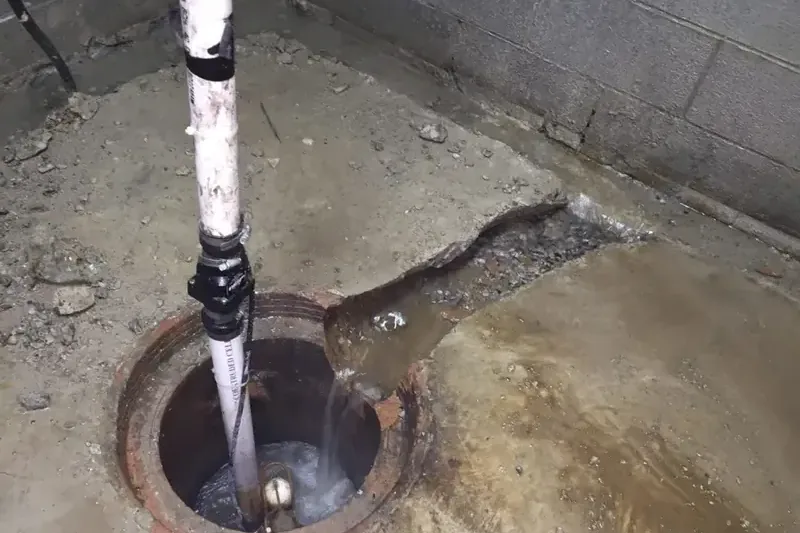
First moves for basement flooding cleanup
- 1
Stay out of deep water
Electric shock is the risk, so wait until power is off.
- 2
Switch off the power
Turn off lower level breakers from a dry spot.
- 3
Photograph the water
Capture depth, source and ruined belongings.
- 4
Call for pumping
Call now, any hour, and say how deep the water is.
The standard behind every basement flooding cleanup job
Dispatch at any hour
Active water is treated as urgent around the clock, because drywall and pad keep wicking until extraction starts.
Dried to a reading
The drying team works to the IICRC S500 standard and pulls equipment only when the meters say dry.
A file the adjuster can use
Moisture maps, daily psychrometric logs and timestamped photos are taken before anything is torn out.
Built for Piedmont houses
Clay lots, walkout basements, crawl spaces and attic air handlers shape how water moves in these homes.
What does basement flooding cleanup cost in Suwanee, GA?
An unfinished basement usually costs $2,500 to $5,000 to pump and dry. One finished area runs $5,000 to $9,000, and a whole finished lower level reaches $9,000 to $15,000+ once flooring, drywall and trim come out.
| Size of the loss | Typical range | What it usually covers |
|---|---|---|
| Unfinished basement | $2,500 to $5,000 | Pump out, Wet vacuuming, Drying equipment |
| Finished basement, one area | $5,000 to $9,000 | Carpet and pad out, Lower drywall cut, Days of drying |
| Whole finished lower level | $9,000 to $15,000+ | Full flooring removal, All lower drywall, Extended drying |
Ranges are typical, not a quote: the water category, square footage, material class and how fast drying started move the number most. Run the water damage cost calculator for a closer planning figure.
The basement flooding cleanup process from first reading to dry
- 1
Pump
Standing water is pumped out.
- 2
Sort
Wet materials are separated by water type.
- 3
Cut
Soaked drywall and flooring come out.
- 4
Dry
Equipment runs until readings are normal.
A flooded lower level raises two questions right away: where did the water come from, and is it clean. The answers decide whether carpet and drywall can be dried in place or must go, and they shape everything the crew does next in Suwanee.
Pumping and sorting what is wet
Pumps clear the deepest water first, then wet vacuums finish the floor. Drywall, insulation and flooring are sorted into what can be dried and what has to be removed, based on the water type and how long it sat.
- Standing water pumped to the exterior
- Carpet and pad lifted when soaked
- Lower drywall cut back past the wet edge
Cutting back a short distance above the visible stain is normal, because drywall wicks water upward past what the eye sees.
Water in the lower level and rising? Call and say how deep it is so the right pumps can be planned.
(888) 532-4616Call about the rising waterThe backwater valve question
Georgia plumbing code requires a sanitary backwater valve between the home and the public sewer when the lowest plumbing fixture, such as a basement toilet or sink, is below the next upstream manhole. In the Gwinnett County part of Suwanee, the homeowner maintains that valve, and the County is not responsible for damage from a backup in the main if a required valve is missing.
- Locate the lateral cleanout
- Keep the cleanout cap in good condition
- Have the lateral inspected by a plumber
Sump pump limits
A sump pump only helps while it has power and a clear discharge, so a storm that knocks out electricity can let water collect even where the pump itself is sound.
After the pump out
With the water gone, structural drying pulls moisture from the slab, walls and framing, and a contaminated flood follows sewage backup cleanup steps. Readings and photos from each visit support the claim.
Basement flooding cleanup across Suwanee and nearby communities
One dispatch covers every neighborhood listed here, around the clock.
Whether water came up from a drain or in from the yard, the crew works across the 30024 ZIP code, including homes near Town Center and the streets around Collins Hill High School.
The same service nearby: basement flooding cleanup in Flowery Branch, Sugar Hill, Buford.
Basement Flooding Cleanup questions in Suwanee, GA
Is a basement flood covered by insurance?
Coverage depends on the cause. Water from a failed pipe or appliance is commonly covered, while groundwater and sewer backup often need an endorsement or a separate flood policy. The adjuster will want dated photos and moisture readings.
What if the water came up through a floor drain?
Water from a floor drain is treated as contaminated until proven otherwise. The crew uses protective gear, removes the porous materials it touched and disinfects the surfaces that remain.
Does a backwater valve prevent this?
Georgia plumbing code requires one when the lowest fixture is below the next upstream manhole. In the Gwinnett County part of Suwanee the homeowner maintains it, and the County is not responsible for backup damage if a required valve is missing. These rules describe Gwinnett County only.
Can a finished basement be saved?
Often, yes, when the water was clean and was removed promptly. Hard flooring and framing can usually be dried, while carpet pad, insulation and lower drywall are the common losses. Readings after drying confirm what stays.
What should be moved out first?
Electronics, papers, photographs and anything resting on the floor, but only from rooms that are safe to enter. Leave deep water and wet outlets alone until the power is off.
What drives the cost of basement cleanup?
Depth, area, finish level and water type matter most. An unfinished space sits near $2,500 to $5,000, while a whole finished lower level can reach $9,000 to $15,000+.
Pump the water out before the drywall wicks it up
Pumping first and drying second keeps wet walls, flooring and framing from holding moisture that leads to mold.