Basement Flooding Cleanup in Sugar Hill, GA
Water in a lower level soaks the slab, walls and everything stored below. The crew pumps it out, removes what is ruined and runs drying equipment until the concrete and framing read dry.
(888) 532-4616Sugar Hill flooded basement help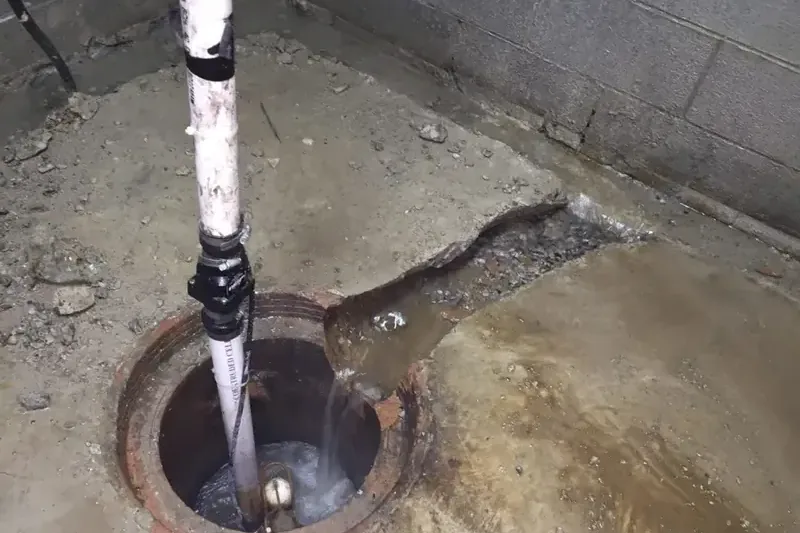
First moves for basement flooding cleanup
- 1
Pump it down
Standing water is lowered in stages to protect walls.
- 2
Remove soaked items
Carpet, padding and wet drywall are taken out.
- 3
Dry the slab
Dehumidifiers and air movers pull moisture from concrete.
- 4
Recheck readings
Meters confirm the walls and slab are dry.
The standard behind every basement flooding cleanup job
Dispatch at any hour
Active water is treated as urgent around the clock, because drywall and pad keep wicking until extraction starts.
Dried to a reading
The drying team works to the IICRC S500 standard and pulls equipment only when the meters say dry.
A file the adjuster can use
Moisture maps, daily psychrometric logs and timestamped photos are taken before anything is torn out.
Built for Piedmont houses
Clay lots, walkout basements, crawl spaces and attic air handlers shape how water moves in these homes.
What does basement flooding cleanup cost in Sugar Hill, GA?
An unfinished lower level commonly costs $2,500 to $5,000 to pump and dry, while finished space with drywall, flooring and fixtures costs more because those layers must be removed, dried and rebuilt after the water is out.
| Size of the loss | Typical range | What it usually covers |
|---|---|---|
| Unfinished basement | $2,500 to $5,000 | Pumping, Slab drying, Debris removal |
| Finished basement, one area | $5,000 to $9,000 | Drywall removal, Flooring tear out, Extended drying |
| Whole finished lower level | $9,000 to $15,000+ | Full tear out, Long drying run, Documented readings |
Ranges are typical, not a quote: the water category, square footage, material class and how fast drying started move the number most. Run the water damage cost calculator for a closer planning figure.
The basement flooding cleanup process from first reading to dry
- 1
Pump
Water depth is lowered safely.
- 2
Remove
Ruined materials leave the space.
- 3
Dry
Equipment runs on the slab and walls.
- 4
Verify
Readings confirm dry.
A lower level holds water like a bowl, and concrete drinks it in slowly. Pumping gets the depth down, but the slab and the walls keep releasing moisture long after the floor looks clear. Soaked carpet, drywall and boxed belongings add weight to the cleanup, so the crew removes them early to open the floor for drying.
How water reaches a lower level
Runoff can collect against foundations and in window wells during a heavy storm on hilly ground, and a failed pump or a split pipe can add water from inside.
- Window wells fill and spill inward
- Walls seep after long storms
- Sump pumps fail when the power drops
Finding the entry point matters because drying a space that keeps taking on water only repeats the loss, so the crew notes gutters, grading and window wells during the visit.
Water sitting in a lower level keeps seeping into the slab and walls. Call and the extraction crew can plan the pumping.
(888) 532-4616Sugar Hill flooded basement helpWhat the cleanup covers
Depth is pumped down in stages, then the crew removes soaked drywall, carpet and padding and sorts salvageable belongings from ruined ones. Items that cannot be cleaned are photographed before they are discarded.
- Pumps lower the standing water
- Wet drywall is cut above the water mark
- Dehumidifiers pull moisture from the slab
Trade note
Basements, crawl spaces and closets along exterior walls are common places for mold to appear after a leak, so lower levels are dried and rechecked before finishes go back.
Related work
Lower level flooding after a storm overlaps with storm and flash flood cleanup, and any contaminated water follows the steps for sewage backup cleanup.
Basement flooding cleanup across Sugar Hill and nearby communities
One dispatch covers every neighborhood listed here, around the clock.
Lower level calls are served across the city, from Downtown Sugar Hill to Twin Creeks, The Preserve at Addison Woods and The Glen at Level Creek, with pumps and drying gear for any lower level.
The same service nearby: basement flooding cleanup in Flowery Branch, Suwanee, Buford.
Basement Flooding Cleanup questions in Sugar Hill, GA
Can a basement dry out on its own?
Standing water can drain, but concrete, drywall and framing hold moisture for a long time. Without equipment, dampness lingers and odors or staining often develop. Fans alone rarely pull moisture out of a slab.
How does water get into a lower level?
Runoff pushed against foundations, full window wells, clogged gutters and failed pumps are common causes. Pipe breaks and appliance leaks can add water from within.
What happens to belongings stored below?
The team separates items that can be cleaned and dried from porous ones, such as cardboard and upholstery, that usually cannot be saved. Photos are taken first for the claim.
Is it safe to enter a flooded basement?
Not while water covers outlets or appliances. Power should be shut off at the panel from a dry spot, and deep water can hide hazards on the floor, so wait for the crew when the depth is unclear.
When can the lower level be repaired?
Repairs wait until readings show the slab and framing are dry. Rebuilding too early traps moisture behind new finishes and invites trouble later. The team also logs readings so the contractor knows the framing is ready.
Dry the lower level before finishes fail
Phone the extraction crew about the water below and the pumping, tear out and drying plan can be mapped for your home.