Basement Flooding Cleanup in Gainesville, GA
Heavy rain, a failed sump pump or a backed up drain can put water on a lower level fast. The drying crew pumps it out, removes what is soaked and dries the slab, walls and framing.
(888) 532-4616Lower level flooded? Call now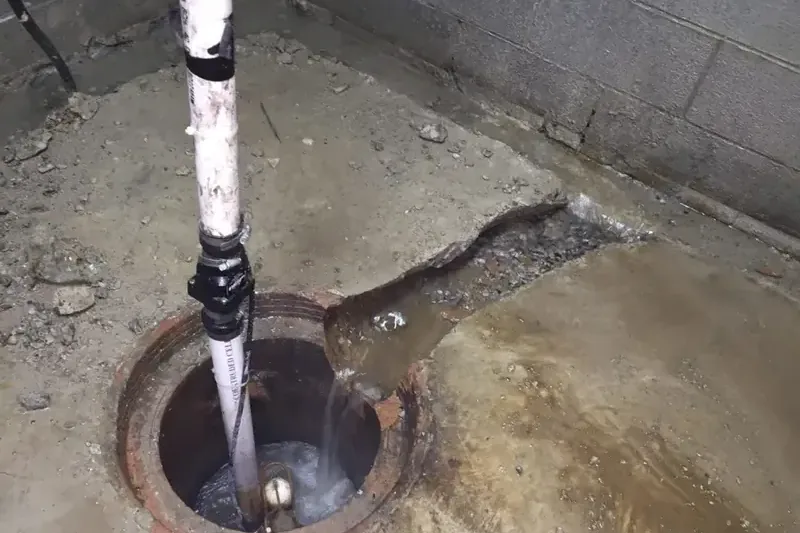
First moves for basement flooding cleanup
- 1
Wait for power off
Standing water can hide live outlets, so stay out until it is confirmed off.
- 2
Stop the inflow
Shut the supply valve if a pipe is the cause.
- 3
Move belongings up
Lift boxes, rugs and electronics onto shelves or upstairs.
- 4
Photograph
Record the high water mark and damaged items.
The standard behind every basement flooding cleanup job
Dispatch at any hour
Active water is treated as urgent around the clock, because drywall and pad keep wicking until extraction starts.
Dried to a reading
The drying team works to the IICRC S500 standard and pulls equipment only when the meters say dry.
A file the adjuster can use
Moisture maps, daily psychrometric logs and timestamped photos are taken before anything is torn out.
Built for Piedmont houses
Clay lots, walkout basements, crawl spaces and attic air handlers shape how water moves in these homes.
What does basement flooding cleanup cost in Gainesville, GA?
Expect roughly $2,500 to $15,000 or more for a flooded basement. An unfinished space is the low end, a finished lower level the high end, and water category, depth and the amount of drywall and flooring removed set the range.
| Size of the loss | Typical range | What it usually covers |
|---|---|---|
| Unfinished basement | $2,500 to $5,000 | Water pumped out, Concrete dried, Readings logged |
| Finished basement, one area | $5,000 to $9,000 | Carpet and pad out, Drywall cut high, Framing dried |
| Whole finished lower level | $9,000 to $15,000+ | Full demolition, Extended drying run, Cleaning included |
Ranges are typical, not a quote: the water category, square footage, material class and how fast drying started move the number most. Run the water damage cost calculator for a closer planning figure.
The basement flooding cleanup process from first reading to dry
- 1
Pump
Standing water is removed.
- 2
Strip
Soaked carpet, pad and wet drywall come out.
- 3
Dry
Dehumidifiers and air movers dry the slab.
- 4
Verify
Readings are logged until materials read dry.
Low areas collect water from every direction, so heavy rain, a failed sump pump or a backed up drain can flood a lower level while the rest of the home stays dry. The July 24, 2026 storm, with almost seven inches of rain on Hall County, shows how quickly low spots fill.
What a flooded lower level needs first
Pumps remove the standing water, then the crew checks how far it climbed. Wet drywall wicks water upward, so the damage often sits higher than the puddle did.
- Pump out the standing water
- Remove soaked carpet, pad and trim
- Cut drywall above the wet mark
Finished basements need more demolition than unfinished ones, because carpet, pad, insulation and drywall all hold water against the framing. Concrete itself dries slowly and gets checked with meters before anything is rebuilt.
Lower level flooded? Wet drywall and carpet start to fail the longer the water sits.
(888) 532-4616Pump the lower levelDrying the slab and walls
Concrete and block walls absorb water and release it slowly, so dehumidifiers matter more here than in an upstairs room. Air movers aimed at the wall bottoms and the slab keep the drying moving without pushing damp air through the rest of the house.
- Dehumidifiers sized to the lower level
- Air movers along the wall bottoms
- Readings on slab and framing each visit
Gray water changes the plan
Rain that rises through a floor drain or seeps in from the ground can carry soil and bacteria. When that happens, porous materials come out instead of drying, and the area is cleaned before rebuilding.
Planning the rebuild
Keep stored items off the floor and photograph everything before it is moved. Once the lower level is dry, rebuilding can begin; water extraction and structural drying cover those first steps in order, and the local water services cover the rest.
Basement flooding cleanup across Gainesville and nearby communities
One dispatch covers every neighborhood listed here, around the clock.
The crew works in lower levels across the city, from homes near the Lake Lanier shoreline to Downtown Gainesville, the Autumn Lake Drive area and the rest of ZIP 30506.
The same service nearby: basement flooding cleanup in Flowery Branch, Buford, Sugar Hill.
Basement Flooding Cleanup questions in Gainesville, GA
Is it safe to go into a flooded basement?
Not until the power is confirmed off. Water can touch outlets, cords and appliances, and deep water hides tripping hazards. If the water is above outlet height, wait for the crew or an electrician.
Does a sump pump remove the need for drying?
No. A pump moves water away from the pit, but it does nothing for wet drywall, carpet or the slab. Once a pump fails or is overwhelmed, the lower level still needs extraction and drying.
Can a finished basement be saved?
Often the framing and concrete can, while drywall low on the wall, carpet and pad usually cannot. The decision depends on how long the water sat and whether it was clean or contaminated.
How do you know the slab is dry?
Meters read moisture in the concrete and in the wall bottoms, and the readings are compared with dry areas elsewhere in the house. Equipment stays until the numbers match.
What if the floodwater came from a drain?
Water from a drain or a sewer is Category 3 and contaminated. The crew removes the affected materials, cleans and sanitizes the area, and treats the lower level as a sewage job rather than a drying job.
Basement water in Gainesville? Get it pumped.
The crew pumps out the water, removes what is soaked and dries the slab and walls, with readings kept for the claim.