Emergency Water Extraction in Gainesville, GA
After a heavy rain or a failed pipe, the extraction crew pulls standing water off floors first, since water left sitting keeps wicking into drywall, baseboards and the subfloor beneath.
(888) 532-4616Water on the floor? Call for extraction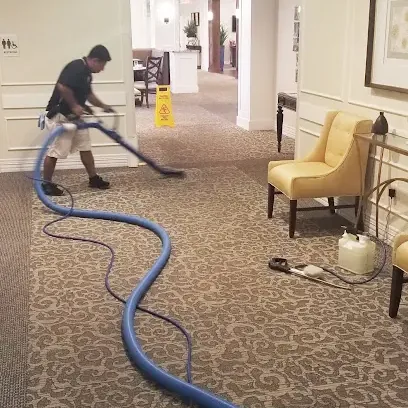
First moves for emergency water extraction
- 1
Stop the source
Close the main or fixture valve so more water stops coming in.
- 2
Keep power off
Leave outlets and the panel alone if water is near them.
- 3
Photograph the water
Take wide shots and close ups before anything is moved.
- 4
Lift small items
Get rugs, shoes and electronics off the wet floor.
The standard behind every emergency water extraction job
Dispatch at any hour
Active water is treated as urgent around the clock, because drywall and pad keep wicking until extraction starts.
Dried to a reading
The drying team works to the IICRC S500 standard and pulls equipment only when the meters say dry.
A file the adjuster can use
Moisture maps, daily psychrometric logs and timestamped photos are taken before anything is torn out.
Built for Piedmont houses
Clay lots, walkout basements, crawl spaces and attic air handlers shape how water moves in these homes.
What does emergency water extraction cost in Gainesville, GA?
Extraction alone usually runs $300 to $6,500 or more. Water depth, area, category and access decide where a job falls, and extraction is often only the first part of a larger drying bill.
| Size of the loss | Typical range | What it usually covers |
|---|---|---|
| Extraction only, one room | $300 to $1,500 | Wet vacuum pass, Pad lifted if needed, Meter check after |
| Extraction and dry out | $1,500 to $4,000 | Pumps then dryers, Wet baseboards pulled, Daily meter readings |
| Lower level or Category 3 | $4,000 to $6,500+ | Contaminated water removed, Porous materials discarded, Surfaces sanitized |
Ranges are typical, not a quote: the water category, square footage, material class and how fast drying started move the number most. Run the water damage cost calculator for a closer planning figure.
The emergency water extraction process from first reading to dry
- 1
Assess
Water depth, category and wet materials are checked.
- 2
Extract
Pumps and wet vacuums clear the standing water.
- 3
Lift
Soaked pad and loose trim come up for drying.
- 4
Check
Meters confirm what still holds moisture.
A heavy storm like the one on July 24, 2026, when almost seven inches of rain fell on Hall County, shows why extraction comes first. Water that is left standing keeps climbing into baseboards, cabinet kicks and subfloor, so the crew removes it before any drying gear goes in.
What the extraction crew actually does
Pumps do the bulk of the work, but the finish matters just as much. Extraction ends with a meter check of the floor, not with a surface that merely looks dry.
- Truck-mounted units clear deep water from open floors
- Portable extractors work under furniture and in closets
- Wet vacuums and squeegees reach corners and door tracks
Carpet and pad are often lifted at this stage so trapped water can be pulled out, and the crew notes which flooring can stay for drying. A dehumidifier cannot dry a puddle, so the gear comes second.
Water still standing in the house? The longer it stays, the deeper it moves into walls and floors.
(888) 532-4616Send pumps nowWhy speed matters after a storm
Floodwater and sewage carry contaminants, which makes them Category 3 water. Rain that comes in through a roof or a window is cleaner at first, but standing water gets dirtier the longer it sits on carpet and wood.
- Wet baseboards wick water up the wall
- Carpet pad holds water like a sponge
- Subfloor swells and loosens under flooring
Extraction is not drying
Pumps remove liquid water, but wet wood, drywall and concrete still hold moisture afterward. Air movers and dehumidifiers finish that work, as described under structural drying.
When to call a crew
Call as soon as standing water is on the floor and the source is stopped. If a split pipe caused it, see burst pipe water damage, and find the full list of local water services on the Gainesville service page. Photos taken before pumping help the insurer later.
Emergency water extraction across Gainesville and nearby communities
One dispatch covers every neighborhood listed here, around the clock.
Coverage includes ZIP 30506, Downtown Gainesville, the Lake Lanier shoreline and the Industrial Boulevard area, with pumps and extractors sent to wherever the water is standing, from one room to a whole floor.
The same service nearby: emergency water extraction in Flowery Branch, Buford, Sugar Hill.
Emergency Water Extraction questions in Gainesville, GA
How soon should standing water be pumped out?
As soon as the source is stopped and the area is safe. Water that sits keeps wicking into drywall, flooring and framing, and the longer it stays, the more material has to be removed instead of dried.
Can I use a shop vacuum myself?
A shop vacuum helps with a small spill, but it cannot move the volume a storm or a burst pipe leaves behind. It also cannot find water inside walls and under floors, which meters and thermal imaging can.
Is storm water different from pipe water?
Yes. Water from outside or from a sewer is Category 3 and carries contaminants, while a supply pipe leak starts as clean Category 1 water. The category decides what can be dried and what is removed.
Does extraction include drying?
Extraction removes liquid water only. Wet wood, drywall and concrete still hold moisture afterward, so air movers and dehumidifiers run until readings match a dry reference.
What should I photograph before the crew starts?
The standing water, the damaged belongings and any appliance label, plus a wide shot of each room. Photos taken before pumping give the insurer a clear picture of the original loss.
Can wet carpet be saved?
Sometimes. Carpet soaked with clean water can be extracted and dried, but the pad beneath is usually replaced, and carpet touched by sewage or floodwater is discarded.
Standing water in Gainesville? Pump it out.
The crew pulls the water, checks the floors with meters and tells you what can be dried and what has to come out.